
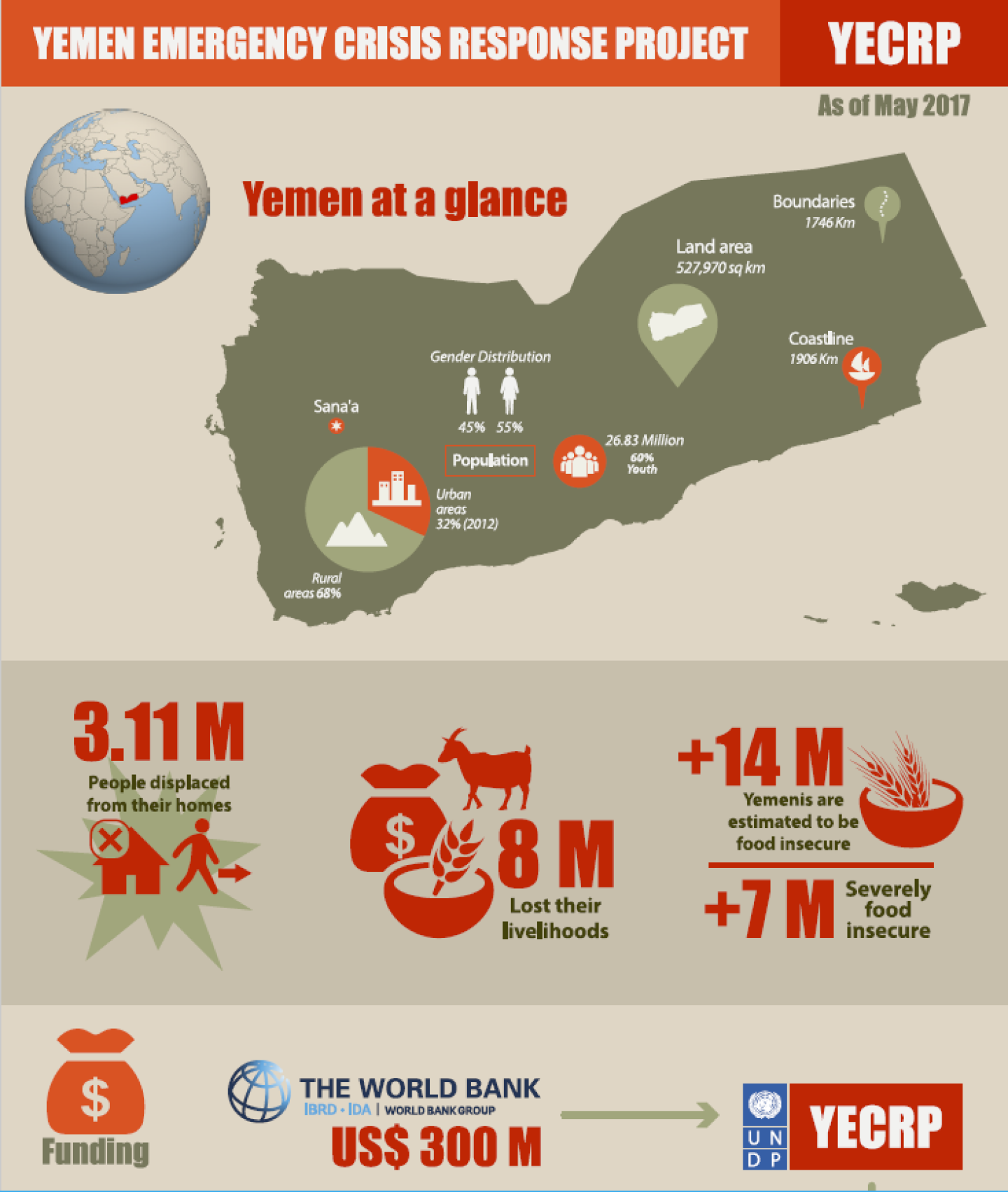
Ten years after the Saudi-led coalition intervened to restore the internationally recognised government, Yemen remains fractured, impoverished and caught between competing domestic and regional forces. The economy has contracted by more than half since the start of the conflict in 2015. Over 83 per cent of the population lives below the poverty line. An estimated 19.5 million people require humanitarian assistance in 2025, an increase of 1.3 million from the previous year. The trajectory is worsening, and the international mechanisms designed to address the crisis are under severe strain.
Economic Freefall Across Two Systems
Yemen’s economy operates under two competing financial regimes. The Houthi-controlled north, including the capital Sana’a, and the internationally recognised government in the south maintain separate monetary policies, tax systems and public expenditure frameworks. The result has been economic fragmentation on a scale that few conflict-affected countries have experienced. According to Oxfam, the Yemeni rial has depreciated by more than 90 per cent in government-controlled areas over the past decade, pushing basic necessities such as food, water and healthcare beyond the reach of most citizens.
The banking sector is on the verge of collapse, with several financial institutions unable to maintain basic liquidity. Public sector salaries go unpaid for months at a time. Civil servants, teachers and healthcare workers have seen their already modest incomes rendered virtually worthless by currency depreciation. Education and healthcare services have been decimated: only around 60 per cent of health facilities remain even partially functional, operating with chronic shortages of staff, funding and medicines.
Food Insecurity and Humanitarian Funding
The food security situation in September 2025 stands at its worst point since 2022. The UN Office for the Coordination of Humanitarian Affairs estimates that 18.1 million people face acute hunger, with 166 districts expected to reach emergency levels. Without sustained large-scale assistance, as many as 41,000 people risk experiencing famine-like conditions. Malnutrition rates remain among the highest globally, with one in two children under the age of five affected.
The humanitarian response is critically underfunded. The 2025 Humanitarian Needs and Response Plan seeks $2.47 billion to reach 10.5 million people, yet by mid-year the plan was only a fraction funded. In 2024, the response received just over half of what was required, forcing agencies to scale back food distributions, limit access to clean water and reduce essential services. Expected reductions in US contributions, which accounted for more than half of total humanitarian funding to Yemen in the previous year, threaten to widen the gap further.
Regional Dynamics and the Houthi Factor
Yemen’s internal conflict has become inseparable from broader regional dynamics. The Houthis, who control the northwest of the country, have continued to launch ballistic missiles and drone attacks against maritime targets in the Red Sea, disrupting commercial shipping routes that carry a significant share of global trade. The UN Special Envoy for Yemen, Hans Grundberg, cautioned the Security Council in September 2025 against addressing Yemen primarily through the lens of regional security concerns, stressing the need to refocus on the country’s internal challenges.
The United States has adopted an increasingly hawkish posture toward the Houthis, reimposing sanctions and designating the group in terms that create significant obstacles for humanitarian operations. The designation complicates delivery of life-saving assistance, adds barriers to commercial imports of food and medicine, and disrupts remittance flows from the Yemeni diaspora, which account for approximately one fifth of GDP. While governments have called for accountability for Houthi violations, the practical effect of sanctions on civilian populations remains deeply contested.
The Peace Process in Limbo
Mediation efforts have stalled. An economic de-escalation agreement reached in July 2024 between the Houthis and the internationally recognised government has yet to be meaningfully implemented. Presidential and parliamentary elections, originally scheduled for December 2021, remain indefinitely postponed.
One area of cautious progress came in late 2024, when parties to the conflict reached a preliminary agreement in Muscat for a new round of detainee releases, potentially the largest such exchange since the war began. While symbolic rather than strategic, such measures carry weight for families separated by the conflict and represent one of the few areas where dialogue has produced tangible results.
التوقعات
The outlook for Yemen through the remainder of 2025 and into 2026 is bleak. The humanitarian crisis deepens while funding shrinks. The economy shows no signs of stabilisation under the current dual-system arrangement. Regional escalation, particularly in the Red Sea, risks further entrenching the Houthis’ position while drawing international attention away from the underlying drivers of the conflict. For 30 million Yemenis, the gap between what is needed and what is being delivered grows wider each month. A political settlement remains the only viable path toward recovery, yet the conditions for such an agreement appear more distant today than at any point since the conflict began. Whether Yemen’s parties and their external backers can summon the political will for a negotiated outcome is the central question of the coming year.





اترك تعليقاً