
The Middle East and North Africa region faces overlapping challenges in 2026 that will test its countries’ capacities to respond. From Syria’s fragile transition and Sudan’s devastating war, to questions of reconstruction and reform in Lebanon, policymakers will face critical choices, and make decisions impacting the lives of millions of people for years to come.
In this roundup, fellows and senior associates of the Tahrir Institute for Middle East Policy identify the most urgent policy challenges and priorities across the region, while outlining sustainable pathways toward peace, justice, and inclusive growth.
السودان
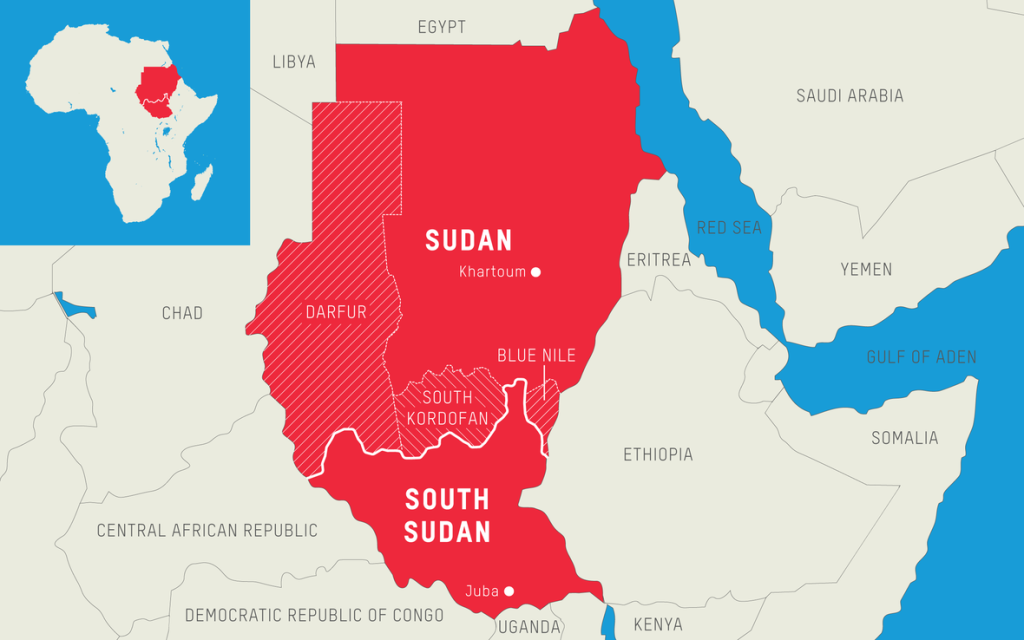
Seven years since the December Revolution and three years into a devastating war, the aspirations of the Sudanese people for freedom, peace, and justice remain unfulfilled. The fundamental right to life continues to be systematically threatened.
The country’s escalating conflict is sustained not only by national actors but also by external entities that provide arms, financing, and political cover to warring parties. In 2026, accountability for these actors must be prioritized. No sustainable peace is possible while foreign support continues to fuel violence. The international community can play a critical role by enforcing sanctions and arms embargoes, cutting off the war’s financial lifeline, strengthening mechanisms to hold perpetrators accountable, providing sustained humanitarian aid, and supporting a genuinely civilian-led political process.
The second critical priority is the establishment of a credible, victim-centric transitional justice process. Justice-centered recovery is indispensable to address mass atrocities, hold perpetrators accountable, and break cycles of violence and impunity. Transitional justice must be gender-sensitive and inclusive, to acknowledge the disproportionate impact of the war on women and girls and to ensure their meaningful participation in shaping justice mechanisms. Core mechanisms should include truth commissions, criminal or hybrid courts, reparations programs, guarantees of non-recurrence, and memorialization initiatives that preserve an impartial and collective memory of the conflict. Facilitating the provision of technical, financial, and political support is essential to ensure a transparent, independent, and inclusive transitional justice process.
Finally, policymakers should prioritize coordinated international engagement that promotes stability, reconciliation, and the protection of human rights, while centering the needs and aspirations of the Sudanese people.
In Sudan, there are three priorities that policymakers must focus on in 2026:
First, as the United States deepens its engagement in peace efforts in Sudan, it is essential to prioritize inclusive processes that go beyond elite negotiations. Grassroot actors, including emergency response rooms and women’s groups, are central to civilian survival, resistance, and humanitarian coordination. Their exclusion limits both legitimacy and effectiveness. The policy world must mandate their meaningful inclusion in peace negotiations, alongside sustained pressure to end the conflict and establish humanitarian corridors.
Second, as the war in Sudan widens into new regions, including West and South Kordofan, the protection of women and girls must be an urgent policy priority in 2026. This includes establishing safe humanitarian corridors for evacuation and aid delivery, pressuring warring parties to prohibit the use of rape as a weapon of war, and addressing the often invisible needs of women and girls that are overlooked in emergency responses. Policymakers should strengthen coordination with grassroots women’s groups delivering gender-sensitive aid and prioritize direct support to women-led initiatives.
Third, Sudan’s conflict-induced economic breakdown must be a central policy concern. The war continues to destroy livelihoods, while current reconstruction efforts fall short with serious social and human rights implications. Agricultural, trade, and informal economies have been severely disrupted, fueling inflation, unemployment, and food insecurity, with women absorbing much of the impact through unpaid care labor. Without linking peace processes to inclusive and just economic recovery, Sudan risks prolonged economic collapse and undermined prospects for sustainable peace.
سوريا
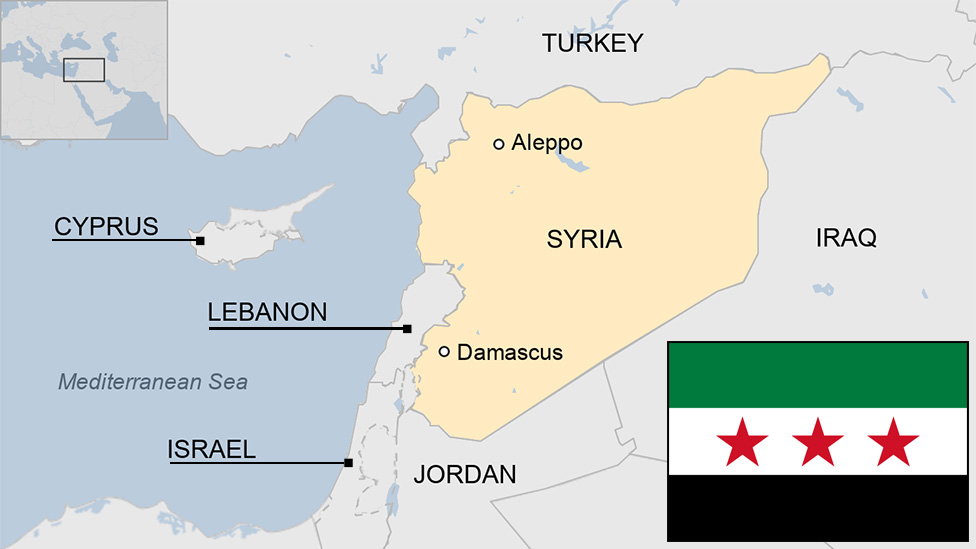
One year after the fall of the Assad regime, Syria’s transition remains fragile. Despite significant steps taken by the transitional authorities in Damascus, the country continues to face significant challenges. Three key policy priorities are set to influence the trajectory of the political transition for 2026.
First, political participation and party formation will be a critical litmus test of inclusivity. Political life in Syria remains heavily constrained following the dissolution of most, if not all, Assad-era political parties. In 2026, finalizing the formation of the People’s Assembly and the passing of the much-anticipated political parties’ law will be critical for the potential revival of Syria’s decimated political landscape.
Second, reforming the public sector and rebuilding key government ministries are critical for reviving the Syrian state. Years of attrition, politicization, institutional decay, and parallel governance structures have left various government bodies facing acute capacity gaps. In 2026, attention should center on whether institutions can absorb experienced professionals while streamlining bloated procedures and ensuring wages reflect the increasing cost of living in Syria.
Third, the overall security environment and ongoing efforts related to security sector reform will take center stage this year. The gradual resurgence of ISIS, continued Israeli incursions in southern Syria, and the lingering fallout from the violence in Suwayda collectively test the limits of state sovereignty and territorial control. Together, these dynamics pose a direct and sustained risk to Damascus’s ability to maintain law and order and consolidate state authority.
Moreover, with Kurdish autonomy on the verge of collapse following Damascus’s recent offensive against the Syrian Democratic Forces, Syria is likely to consolidate into a more centralized state. In this context, Decree 13, while symbolically affirming Kurdish rights, will ultimately be judged by its implementation. Absent credible arrangements that translate commitments into practice, Syria risks renewed cycles of violence, undermining economic recovery and a just political transition.
Syria’s transition presents a critical opportunity to address long-standing human rights violations. Transitional justice must be inclusive, addressing crimes committed by all parties to the conflict—not just the Assad regime. This requires moving forward with prosecutions and establishing reparations for victims. Equally important is developing a clear roadmap to address the issue of the disappeared and ensure families receive answers about their loved ones. Legal and institutional reforms must guarantee the non-repetition of past abuses.
Women’s rights must be central to the transition, with women actively involved in shaping the country’s future. This requires ensuring meaningful representation in peacebuilding processes and decision-making bodies. Strengthening the rule of law through judicial reform will be essential to ensuring fairness and equal protection for all Syrians.
Reforming Syria’s armed institutions is another priority. An inclusive military that represents all communities and is grounded in respect for human rights is vital for lasting peace and national cohesion. These efforts must converge to build a Syria where justice, equality, and human rights are upheld for all.
In 2026, Syria stands at a moment of profound opportunity while facing immense political, social, and institutional challenges. The transitional authorities are confronted with two pasts that must be addressed: the legacy of the Assad era and the record of former non-state armed groups—some of which are now part of the interim government and security forces.
Addressing this complex landscape requires an inclusive, nationwide transitional justice process that is people-centered and locally led. Such a process is essential for rebuilding social cohesion, restoring trust in institutions, and establishing the rule of law. The creation of the National Commission for Transitional Justice marked an important first step, but its effectiveness remains untested and will be closely examined in 2026, alongside the transitional justice law expected to be passed during the year.
This moment demands sustained attention from the global policy community. In recent bilateral engagements with Western policymakers, we have observed a shift in focus toward stabilization and security, often framed around refugee returns, renewed trade, and regional stability. However, without meaningfully addressing past violations and ensuring a shared sense of justice across Syria, long-term security will remain elusive, as will proper economic engagement from regional and international economic actors.
The perceived tension between dealing with the past and rebuilding the future is not new. History shows that sustainable economic recovery cannot be achieved without accountability and justice. Syria has a rare opportunity to pursue a growth-oriented model that moves forward while acknowledging its past—integrating reparations and transitional justice as foundations for stability. The international community should remain closely engaged as this process unfolds.
Lebanon
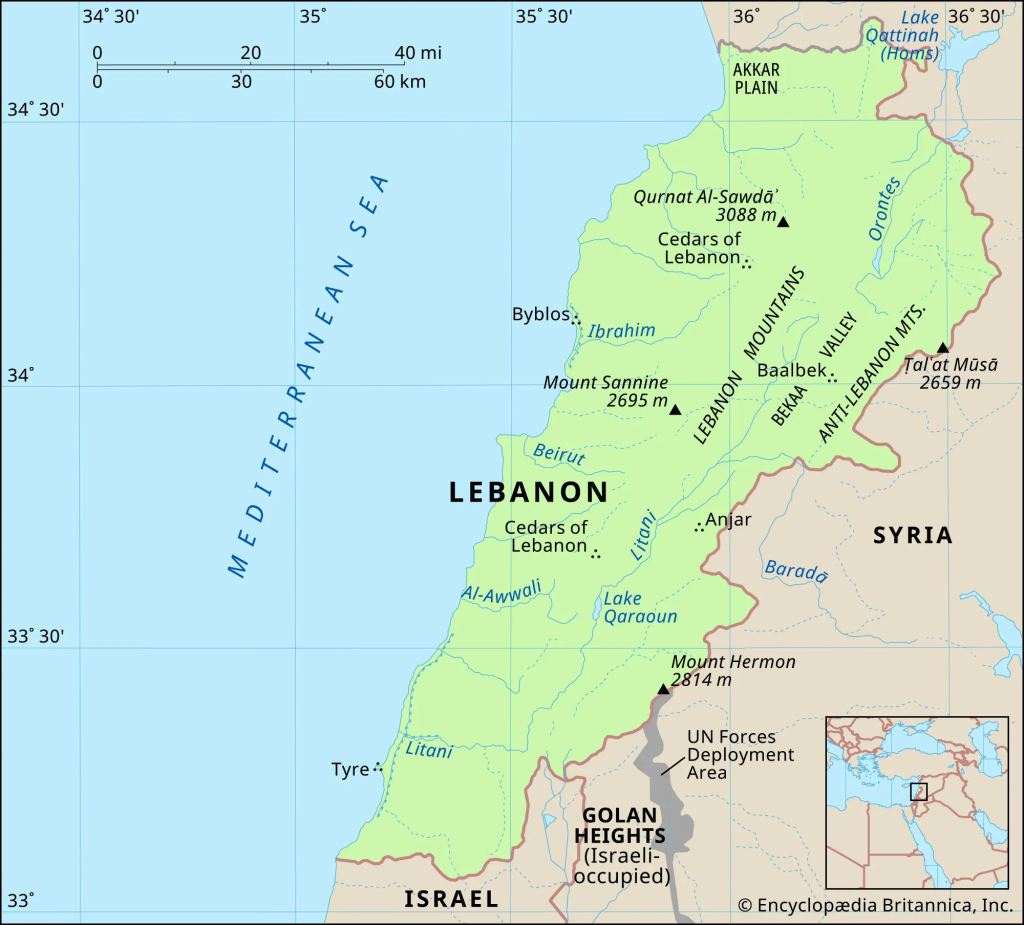
In 2026, Lebanon is expected to face crucial parliamentary elections, sustained international pressure to disarm Hezbollah, and the possible beginning of economic recovery.
The Hezbollah disarmament process will continue to shape all major policy dossiers. Beyond Israel’s ongoing military attacks, Lebanese authorities are facing an increasingly forceful US policy focused on disarmament. This pressure is reinforced by Washington’s improved relationship with Syria’s leadership, which could further push Lebanon toward a security arrangement with Israel, regardless of domestic political risks. Hezbollah’s willingness—or ability—to negotiate a political exit, or redefine its role, will be a decisive factor in shaping this transition.
At the same time, 2026 could mark the first concrete step toward an International Monetary Fund program, provided that financial reforms are adopted early in the year. Such a program could unlock long-awaited international funding, crucial for economic recovery and post-war reconstruction.These dynamics will inevitably shape the May 2026 parliamentary elections. If held, the elections are likely to reconfigure Lebanon’s political landscape. Reformist and anti-establishment forces enter the race weakened by limited resources and the lack of political momentum. Christian leadership may further consolidate under the Lebanese Forces, while Sunni representation remains fragmented for a second election cycle in the absence of former Prime Minister Saad Hariri, leader of the Future Movement. Attempts to challenge Hezbollah-Amal Shiite dominance are likely to intensify in the post-war context. Meanwhile, efforts to consolidate a pro-bank parliamentary bloc signal a sustained attempt by financial elites to maintain political influence. Whether elections are held as scheduled or postponed will indicate whether Lebanon moves toward political transition or extended stagnation.
Barring any unforeseen postponement, Lebanon is scheduled to hold parliamentary elections in May 2026. The new parliament will bear responsibility for breaking with the legacy of its predecessor, which has failed to deliver timely and decisive reforms. Notably, it has yet to pass all the legislation required to address the 2019 financial crisis, and it took six years to adopt the law on judicial independence. In 2026, the parliament should actively pursue reforms that provide accountability and fair recovery, including by adopting further legislation to strengthen the judicial system, such as the law on administrative courts and the law reforming military courts.
On the justice and accountability front, 2025 was marked by some advancements, as proceedings were initiated against former ministers and other civil servants for corruption and other abuses of authority. These efforts must be supported, and additional cases should be brought forth. More broadly, the state should provide greater support to the justice sector and ensure that all the courts are fully functional. Labor courts, for example, have not been fully operational for years, denying employees any chance for redress after the mass dismissals that followed the 2019 economic collapse. And while the investigation into the Beirut Port blast has recently regained some momentum, the investigative judge’s efforts required sustained and continuous support.
Lebanon enters 2026 with a security landscape heavily shaped by the 2024 war with Israel and growing fears of further Israeli escalation. Nowhere is this more evident than in South Lebanon, where communities continue to face near-daily Israeli airstrikes, destruction, displacement, economic marginalization, and the absence of proper state support for recovery.
In 2026, the Lebanese government must prioritize rebuilding trust with its citizens in the south and establishing a meaningful state presence there beyond mere rhetoric. This requires investing in basic services, implementing a systematic recovery and reconstruction plan, including Southerners in decision-making processes, and responding credibly to Israeli violations. In parallel, the international community should amend its approach to Lebanon. Policy should adopt a more holistic framework in which reconstruction, service delivery, reform, and accountability are understood as security imperatives in their own right. Strong political messaging affirming Lebanon’s sovereignty should accompany that approach. The policy community should also recognize that the Lebanese army is operating in an extremely fragile environment, given the institution’s mandate of disarming Hezbollah, all while being underfunded and under-equipped. Reducing its capacity even further would erode internal stability and impact an already flimsy security context in the south. It would also undermine its role as the only legitimate national security institution with broad public trust.
In 2026, policymakers in Lebanon must begin to seriously grapple with the ramifications of the war with Israel. It can start doing so on two levels: first, by raising funds, both locally and through a donors conference, to rebuild damaged infrastructure and homes in the areas most affected by the war; and second, by providing sufficient reparations and housing for displaced people awaiting reconstruction.
Regarding the ongoing financial crisis, authorities must quickly pass the financial gap law—slated to determine and allocate the losses of the financial collapse—which is the last remaining piece of legislation required to restructure the banking system. In parallel, the government should put forward a strategy to negotiate with the country’s debt holders to restructure public debt, in order to restore fiscal regularity. These two steps should pave the way for a new agreement with the International Monetary Fund, which would support an overall economic recovery.
Finally, the government needs to fundamentally shift its current fiscal policies. The tax regime should be amended to raise revenue without burdening vulnerable segments of the population, with the goal of boosting the social safety net. Specifically, the government needs to strengthen the provision of public education and health, and work toward providing universal healthcare for the Lebanese people.
Levant
In 2026, it is crucial that the policy world closely monitor misinformation and disinformation narratives coming out of Syria and Lebanon. There should be a specific focus on artificial intelligence and how it fuels disinformation in the region, increasing the risk of conflict, eroding trust in governments, and distorting reality in general.
While the challenges differ in each country, there is some overlap. In Lebanon, politicians and banks use traditional media, and increasingly social media, to promote narratives that serve their financial and political interests. Israel has also launched its own campaign of narratives, claiming that Hezbollah is rebuilding south of the Litani River. And while UNIFIL officials and diplomats say there is no evidence to support such claims, this narrative is occasionally picked up by actors in Lebanon seeking political advantage amid Hezbollah’s diminished power. Israel has also weaponized online bots and fake social media accounts in particular to undermine the effort of the Lebanese government and the Lebanese army.
In Syria, many instances of widespread sectarian violence have been fueled by online provocation as well as mis- and disinformation. With many still waiting for justice after 14 years of war and more than 50 years of dictatorship, such incitement risks inflaming simmering anger and feelings of injustice, leading to violent reactions. The coastal violence in March 2025 and the events in Suwayda in July 2025 are prominent examples in which footage circulating online fueled outbreaks of violence and sectarian polarization.
The rapid advancements in AI technology—including the creation of hyper realistic photos and videos—as well as the failure of social media platforms to prioritize moderation mean that 2026 is likely to see an increase in bad faith actors using technology to undermine their political opponents.
Egypt
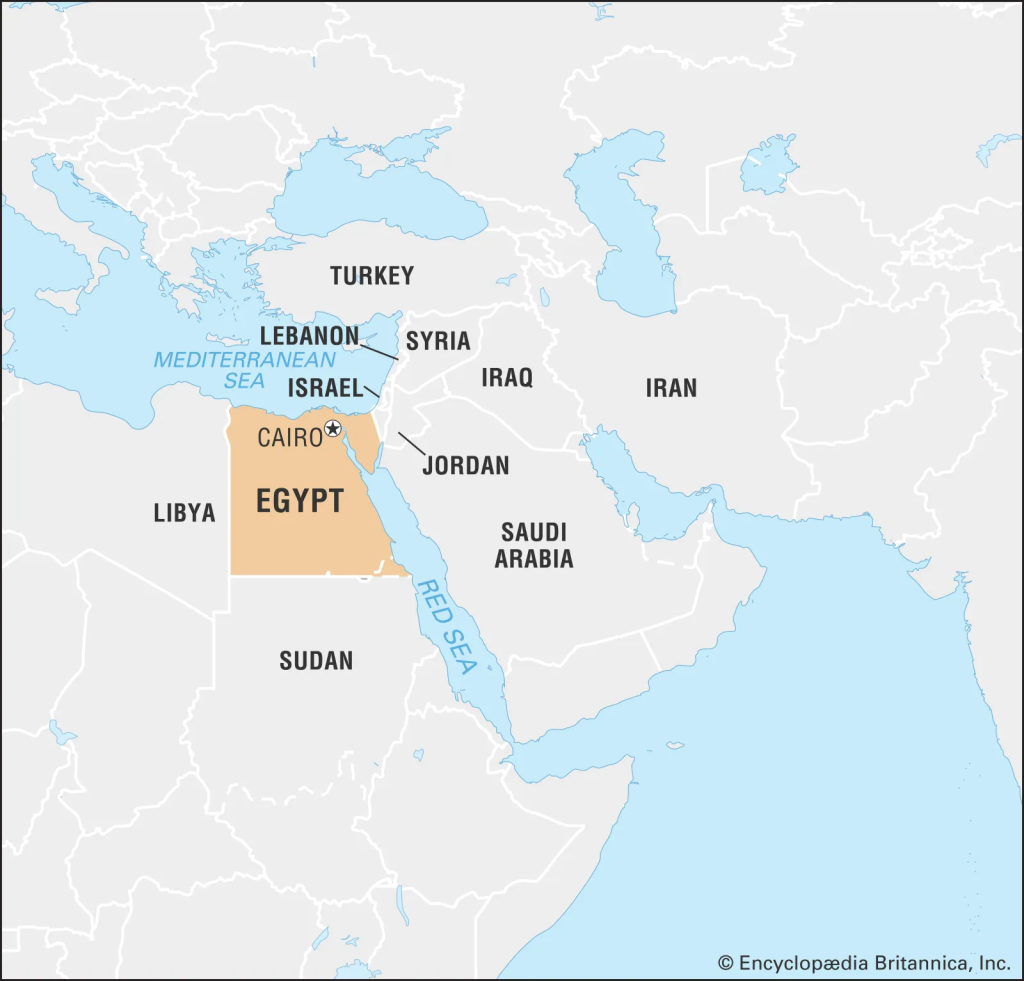
The composition of Egypt’s new parliament, overwhelmingly controlled by parties close to the regime, raises concerns about potential new legislation that may erode constitutional guarantees or expand exceptional powers granted to the state. This comes at a time when protecting civic and political rights requires reforms that strengthen freedoms of expression, association, and participation.
Beyond specific legislation, the trajectory of the new parliament raises deeper constitutional concerns. It risks accelerating the erosion of the separation of powers by expanding executive authority, weakening parliamentary oversight, and normalizing exceptional measures within ordinary legal frameworks. Its significance is further heightened by the fact that this parliament will be the last before the scheduled end of President Abdel Fattah El Sisi’s third and final term in 2030, positioning it as a central institutional actor in any potential constitutional amendments that could reshape presidential term limits and the broader constitutional order.
The call to revise the state’s National Human Rights Strategy under Vision 2030 has reopened the debate over the absence of meaningful human rights reform and the continued exclusion of civil society from the conversation. The previous national strategy relied on a procedural and cosmetic approach that failed to acknowledge documented violations or address structural problems within the justice system. Any updated strategy will remain insufficient unless it is grounded in genuine participation, transparency, and recognition of the abuses consistently reported by independent groups.
Egypt’s new Criminal Procedures Code is set to go into effect in October 2026, after which its actual impact will be determined, in light of the criticisms it has drawn. The law expands prosecutors’ pretrial detention powers, and shrinks defense rights, which was seen by rights groups as codifying practices and violations that have marred the Egyptian justice system for years.
Also expected in 2026 is the issuance of the executive regulations for the new asylum law, and the start of its implementation. The law has raised several concerns, chief of which is that it gives Egyptian authorities full control over the asylum system, potentially leading to forced returns and violations of refugees’ rights.Meanwhile, a closer eye needs to be kept on the conditions of detainees in Egyptian prisons, given the deterioration observed during 2025. Over 50 detainees died in custody in 2024 as a result of medical negligence or torture, amid repeated suicide attempts and near-continuous strikes across several prison facilities.
Tunisia
In 2026, Tunisia must address the growing pressures on migration governance and economic fragility, while shifting from reactive management to structural reform. In 2025, Tunisia relied on ad-hoc security measures while committing human rights abuses against Sub-Saharan African migrants. Therefore, it should be a priority to institutionalize a human rights-based migration and asylum framework. Policymakers should also establish a coordinated protection mechanism and ensure that any intervention from the European Union does not come at the expense of non-refoulement or judicial oversight.
Concurrently, Tunisian policymakers must address the alarming and accelerating brain drain, particularly in strategic sectors such as healthcare and technology. The mass departure of skilled workers reflects not only institutional failures to value talent, but also an inability to overcome Tunisia’s economic struggles.
Overall, Tunisia must reform its migration policy and external relations, acting autonomously rather than resigning itself to being treated as a variable or merely a buffer at the border. Migration must be managed as a shared regional and economic issue through a coherent and structured national vision.
Regional
In 2026, the policy community should pay close attention to three interlinked regional dynamics shaping mobility, governance, and protection across the Middle East and North Africa.
First, the normalization of “return” of refugees and displaced populations as policy shorthand—often detached from safety, rights, or durability—will increasingly define state and donor approaches to displacement issues. Across the region, specifically in Syria and Sudan, premature return frameworks risk entrenching harm, particularly for groups long excluded from documentation, protection, or political belonging.
Second, the deepening stratification of displacement will require urgent scrutiny. Economic collapse, climate stress, securitized borders, and shrinking humanitarian space are producing hierarchies of vulnerability within refugee and migrant communities, where legal status, gender, age, disability, and identity determine access to survival itself. Policy responses that fail to account for these internal inequalities will exacerbate precarity rather than resolve it.
Third, informal and survival economies—from labor to housing to mobility—will become central arenas of governance. As formal protections erode, states increasingly govern through neglect, criminalization, or selective enforcement. Understanding how informality functions as both a coping mechanism and a tool of control is essential for crafting realistic, rights-based policy interventions.
2025 was one of the hottest years on record, with extreme temperatures plaguing countries across the region. In the absence of an end to regional conflicts and justice-driven political transitions, regional actors will continue to drive the worst effects of climate change in 2026. Israel’s genocide on Gaza has created a carbon footprint that exceeds that of entire nations.
The region will continue to be threatened by natural disasters in 2026 if such trajectories are not addressed, with drought, desertification, and flooding presenting particularly high risks for local communities. The sudden onset of certain disasters, such as floods or wildfires, will be exacerbated by a lack of emergency preparedness, macroeconomic instability, and ongoing regional conflicts.
To adequately address these threats, climate finance actors must prioritize climate adaptation in 2026 by preparing and adjusting policy in response to the impacts of climate change. While existing climate programs invest heavily in renewable energy in the region, prioritizing adaptation would mean supporting local agriculture, water systems, and infrastructure to address the threats climate change is already posing on daily life across the region.
Taken from The Tahrir Institute for Middle East Policy



اترك تعليقاً