
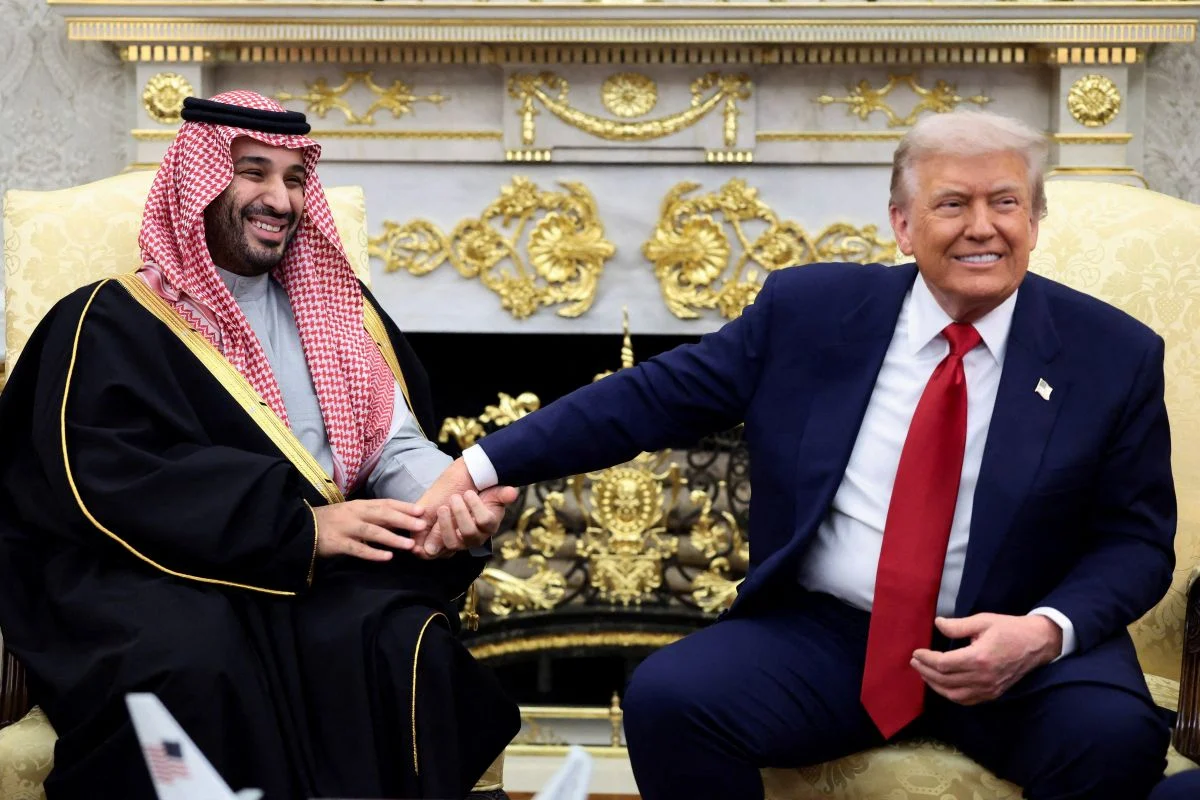
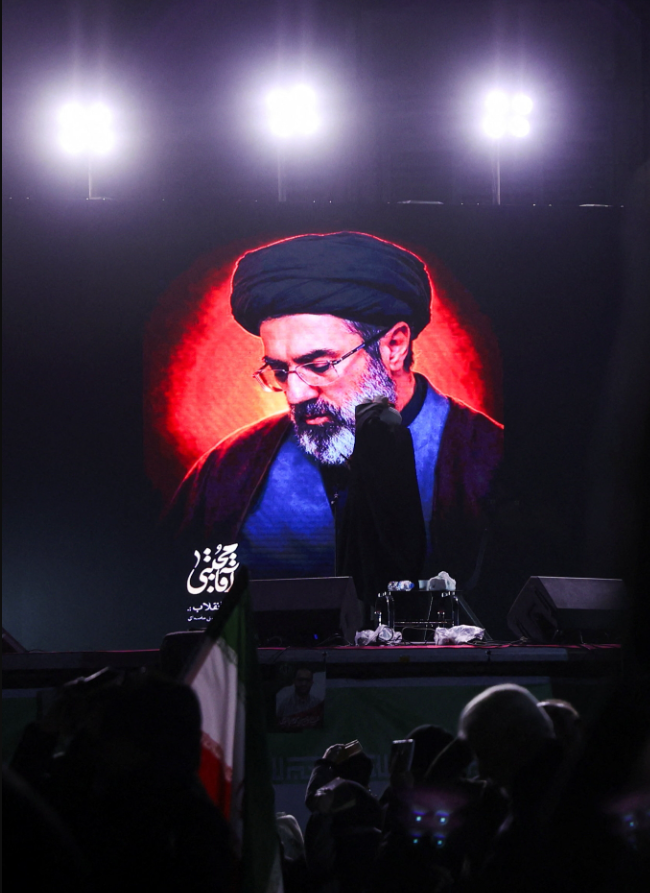
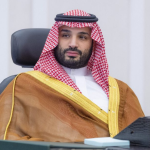
The missiles hitting Iranian soil since March 2026 are not Mohammed bin Salman’s (MBS) weapons. They don’t need to be, but they play into MBS end goal. The U.S. and Israel have been encouraged and enabled by the crown prince Mohammed bin Salman. Every strike that degrades Tehran’s infrastructure, every Revolutionary Guard installation reduced to rubble by American precision munitions, serves Saudi strategic objectives while minimizing Saudi casualties and accountability. This is the genius and the depravity of MBS’s regional position. MBS has spent over a decade constructing the conditions for this moment, and now he gets to watch the results from his palace in Riyadh, positioning himself as the indispensable broker of whatever comes next. Call it what it is: managed chaos, executed at a distance, by a man who has never needed to pull his own triggers and is an ally of everyone yet of no one.
While the international media is watching the war in Iran. It should be watching the Crown Prince.
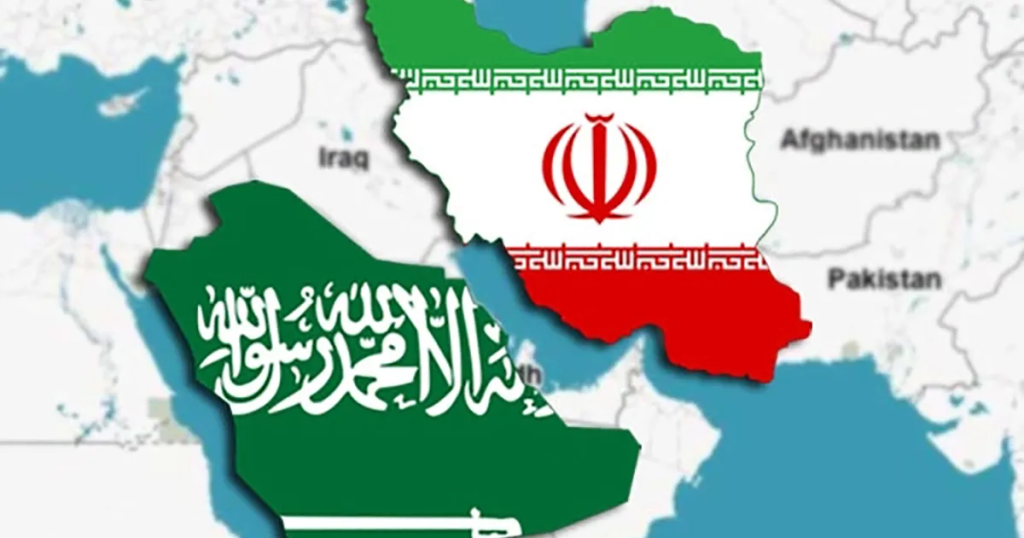
Iran has historically been the one regional power capable of mounting a credible ideological and military counter-narrative to Saudi hegemony. Shia political Islam, the resistance axis, the proxy network stretching from Hezbollah to the Houthis who have threatened and attacked Riyadh in the past. Even Qatar’s willingness to maintain pragmatic ties with Tehran was enough to trigger a full Saudi-led blockade in 2017 — a four-year economic siege that underscored just how intolerable MBS found any regional actor operating outside his ideological perimeter. More on that later. They were competing frameworks for Muslim political identity, alternative sources of authority that Saudi petrodollars could not simply purchase into submission.
Now that architecture is being systematically dismantled by American airpower. MBS did not order those strikes. But reporting from Reuters and the BBC in early 2026 documents show how Saudi Arabia was simultaneously seeking Western security guarantees, while acting as a communication channel to Tehran, and quietly aligning its interests with an outcome that leaves Iran diminished and the Gulf’s balance of power tilted irrevocably toward Riyadh. His attempt to position Saudi Arabia as an intermediary blurred well-established strategic relationship — but the blurring was itself the strategy. If you keep every party uncertain you get to keep every party needing you.
Into the vacuum left by Iran’s degraded regional capacity, MBS is moving with purpose. Security agreements with Horn of Africa states, deepened military cooperation frameworks, expanded port infrastructure investments — these are not aid packages. They are the architecture of a neo-imperial sphere of influence, built while the world’s cameras point elsewhere. The playbook is not new. Colonial powers have always understood that the best time to extend dominion is when your rivals are on fire.
The global export of Wahhabism was never philanthropic. It was and always will be the most sophisticated and cost-effective colonial project of the late twentieth century, and it was executed with a precision that would have impressed Cecil Rhodes. Rhodes was a man who understood that the most durable empires are not built with guns but with the willing participation of the colonised in their subjugation. Rhodes used land grants and mining concessions to make Africans dependent on British capital. Saudi Arabia used Wahhabi mosques and school fees to make Muslim communities dependent on Riyadh’s theology. Different centuries, identical logic: control what people believe they need, and you control them.
Between 1982 and 2005, Saudi Arabia spent an estimated $75 to $100 billion constructing a religious infrastructure: over 1,500 mosques, 200 Islamic colleges, 210 Islamic centres, and 2,000 schools stretching from the Balkans to Bangladesh, from Senegal to Indonesia. For reference in just the first three months of 2024, Saudi Arabia spent $133 million on maintaining over 6,000 mosques across the world. Each institution is not merely a house of worship they are part of a node in a larger network designed to displace locally rooted Islamic traditions and replace them with a Riyadh-approved ideological framework. The goal has and always will be to create subjugation under Crown Prince Mohammed bin Salman. Communities that pray in Saudi-built mosques, educated in Saudi-funded madrassas, receiving scholarship money from Saudi foundations, do not bite the hand that feeds their faith.
In the Greater Horn of Africa, this project has been particularly devastating. Somalia once practiced a centuries-deep form of Sufi Islam — communal, devotional, rooted in local tradition. When Saudi petrodollars arrived, shrines were desecrated. Independent imams were replaced with Saudi-approved clerics. Religious infrastructure was rebuilt in Riyadh’s ideological image. A 2013 European Parliament report identified Wahhabism as the primary global source of terrorist ideology. What that report documented, Saudi Arabia built. Al-Shabaab did not emerge in a vacuum. It emerged from an ideological ecosystem that Saudi funding systematically cultivated and then, conveniently, disowned.
MBS has not dismantled this machine. He has simply rebranded it. His “moderate Islam” narrative is the final evolution of the same colonial project, updated for a Western audience that wants to keep buying Saudi oil and selling Saudi arms. The clerics who thrive under his reign are not reformers. They are loyalists, selected because they legitimize his political authority. Salman al-Awda, one of the world’s most prominent Islamic scholars, has been imprisoned since 2017, reportedly facing execution — not for extremism, but for declining to publicly endorse MBS’s agenda. His replacement, Saleh al-Fawzan, has declared Saudi Shia citizens to be non-Muslims and endorsed violence against dissenters.
The Hajj itself has been conscripted. Two million pilgrims annually pass through Mecca and Medina — the largest recurring gathering of human beings on earth. As custodian of these sites, Saudi Arabia controls the theological atmosphere in which that gathering occurs, the literature distributed, the sermons delivered, the ideological framing applied to the most spiritually significant journey of a Muslim’s life.
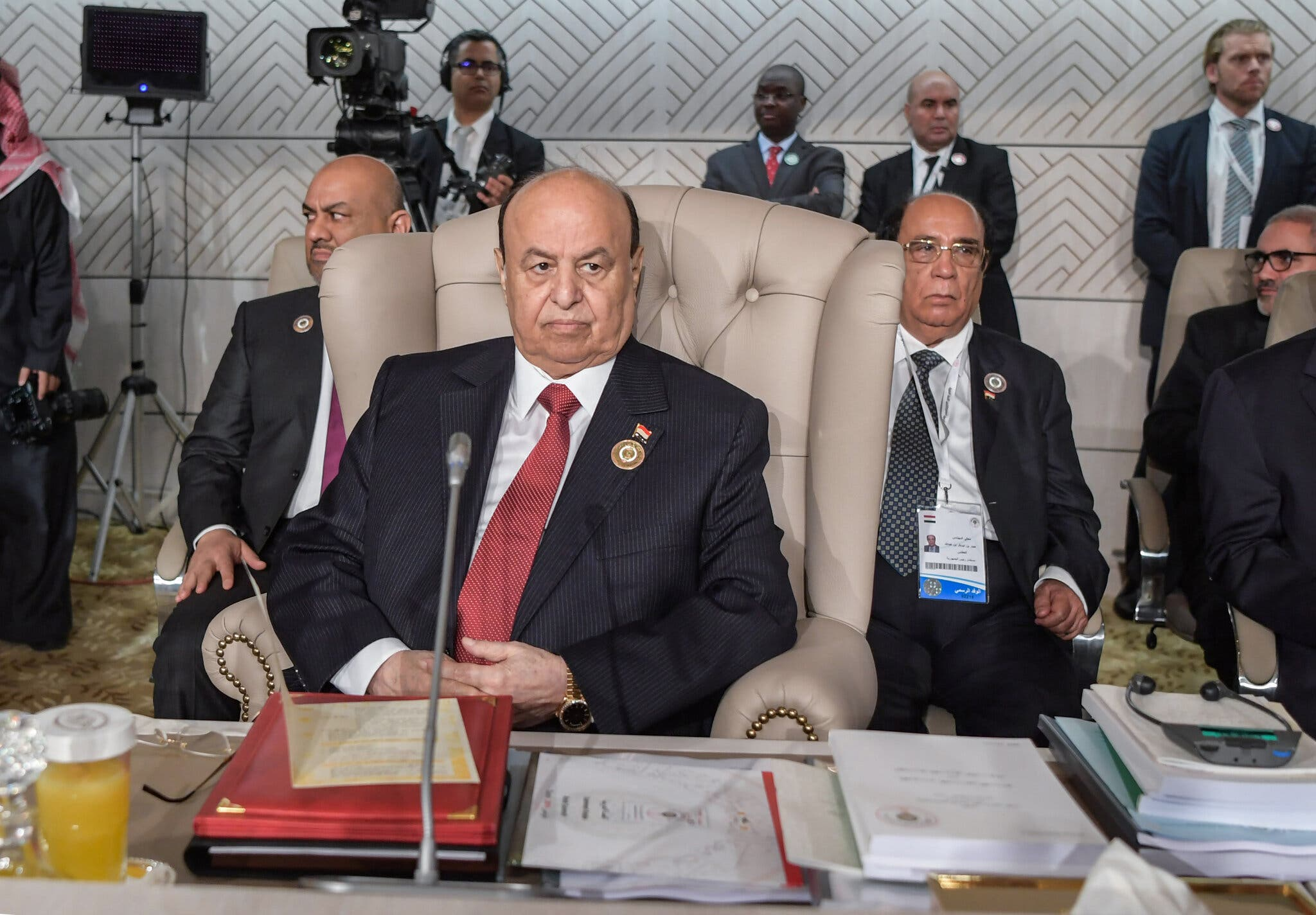
MBS publicly denounced the Muslim Brotherhood as part of a “triangle of evil.” He led a four-year blockade of Qatar specifically because Doha maintained ties to the Brotherhood, Hamas, and Iran. The blockade ended in 2021. Qatar changed nothing structural. And today, Saudi Arabia is working alongside Yemen’s Islah Party, a Brotherhood’s Yemeni affiliate, as a wartime partner against the Houthis, while simultaneously expanding economic integration with Doha through rail projects, trade agreements, and tourism frameworks.
MBS never had a principled objection to the Brotherhood. He had a leverage objection. Qatar was useful as a pressure point. Once that pressure had extracted maximum positional benefit, reconciliation served Saudi interests better than continued rupture. The ideology was always instrumental.
The same logic structures Saudi Arabia’s relationship with Pakistan — a nuclear-armed state whose security partnership with Riyadh dates to the 1950s, cemented by decades of Saudi funding that Pakistani officials have acknowledged, without ambiguity, was never purely charitable. The 2025 Saudi-Pakistani mutual defence pact formalized an arrangement whose implications seem to be of nuclear deterrence signalling.
Turkey completes the picture. Ankara’s military presence in Somalia, its Brotherhood-aligned foreign policy, its cultivation of political Islam as a geopolitical tool — these are not Saudi interests. But they create conditions that the KSA can exploit. A fragmented region, with multiple competing patrons and no dominant stabilizing framework, is a region where Saudi money buys disproportionate influence. MBS does not need allies who share his values. He needs actors whose chaos he can productively navigate.
Saudi Arabia’s intervention in Yemen was not a miscalculation. A miscalculation implies a failed attempt to achieve a desired outcome. Yemen policy has achieved its actual objective: the prevention of a stable, independent Yemeni state capable of charting its own political course on Saudi Arabia’s southern border.
The 2015 aerial campaign destroyed Yemen’s infrastructure. The naval blockade that followed choked civilian supply chains. At every point where genuine de-escalation was achievable — the Kuwait talks, the Stockholm Agreement, the 2022 truce, Riyadh chose the posture that preserved Saudi leverage over the conflict. The Southern Transitional Council was supported, then marginalized, then confronted, as its utility fluctuated. Yemeni actors were negotiated around, not with. OXFAM has documented the result: the world’s largest humanitarian crisis.
A stable, self-governing Yemen is a strategic liability for Riyadh. An unstable Yemen, dependent on Saudi-brokered ceasefires and Gulf reconstruction funding, is an asset. The logic is colonial in the most precise sense.
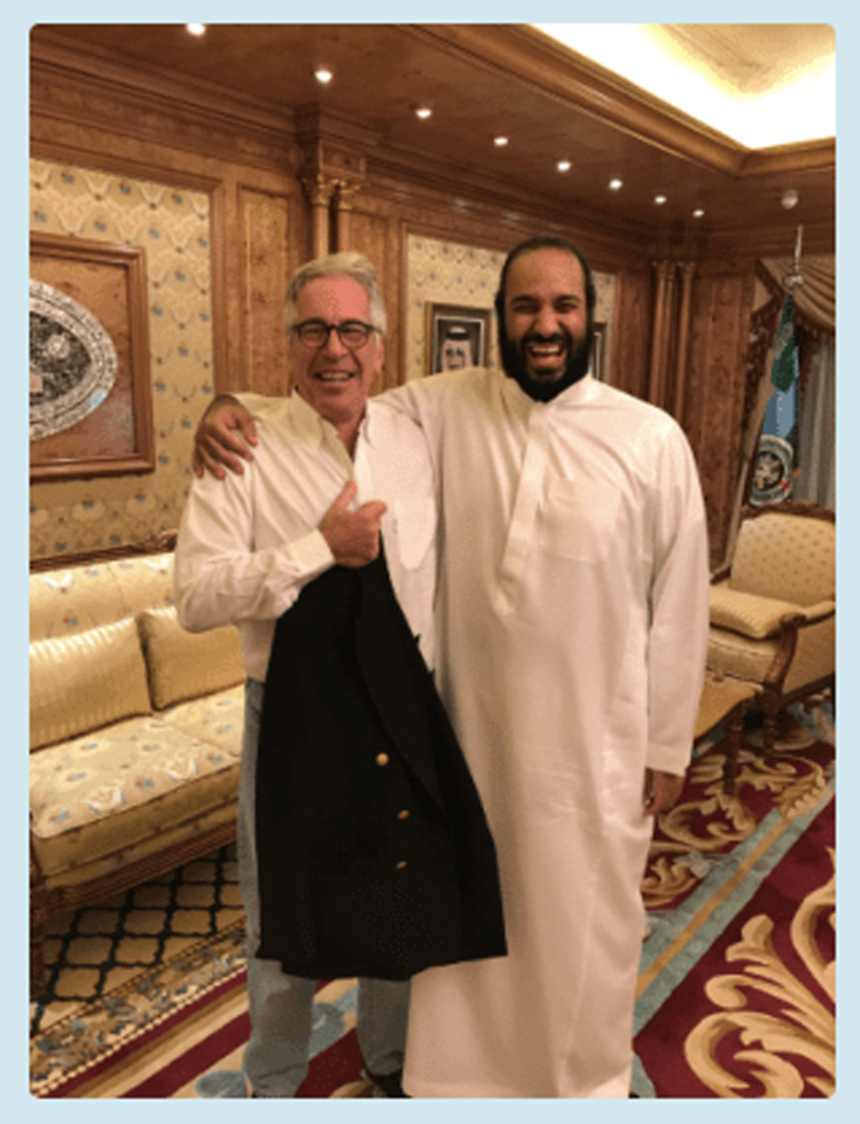
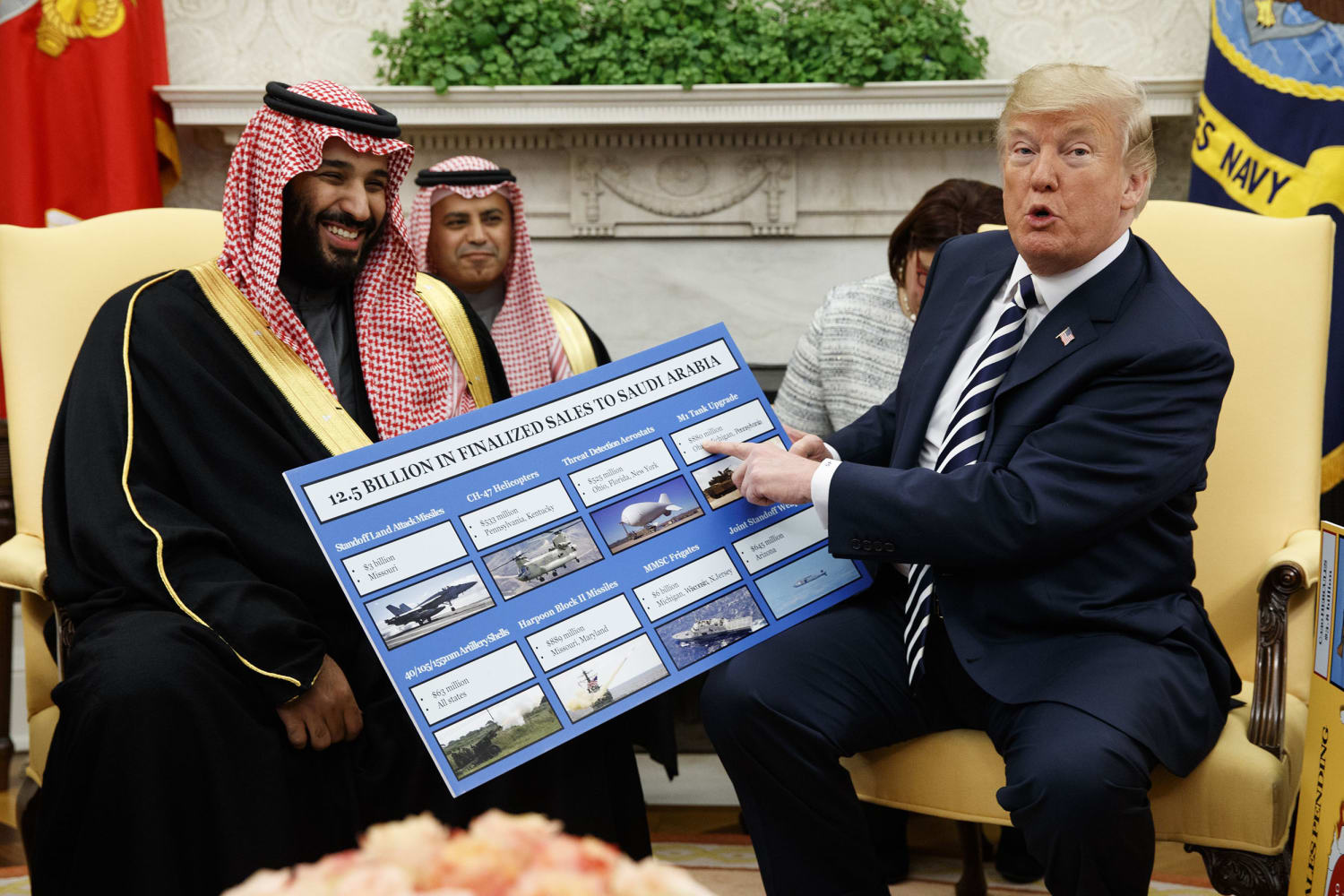
Mohammed bin Salman is an imperialist who has learned to dress like a reformer. The Saudi neocolonial project is, in many ways, the most complete expression of modern dominion ever assembled. It operates through the mosque and the madrassa, the sovereign wealth fund, the scholarship and the arms deal, the photo opportunity with a Western leader and the execution order signed the same afternoon. It does not need to declare colonies because it manufactures dependency. It does not need to silence all dissent because it has made dissent expensive enough that most choose silence on their own. And it does not need to win wars — in Yemen, in Sudan, across the Horn of Africa — because unresolved wars are the point. Where old empires sought to pacify, MBS’s Saudi Arabia seeks to perpetuate: perpetual need, perpetual mediation, perpetual relevance. The missiles over Iran will eventually stop falling. The infrastructure of Saudi hegemony — ideological, financial, religious, political — will still be standing when they do. That is not a side effect of Saudi foreign policy. It is the policy.
Leave a Reply