
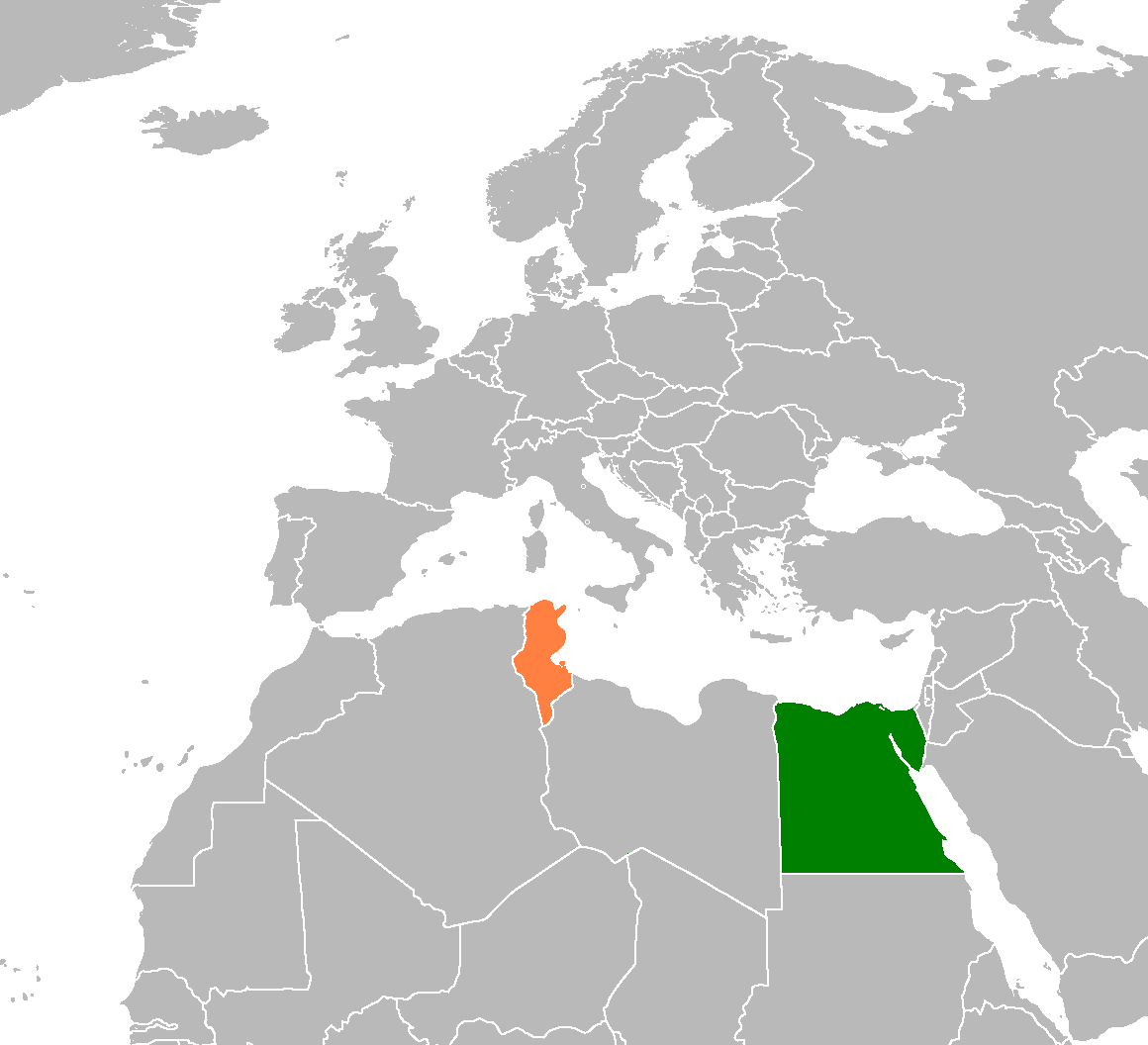
Two of North Africa’s largest economies are caught in different stages of the same structural problem. Egypt is deep inside an IMF programme that has delivered macroeconomic stabilisation at significant social cost. Tunisia has rejected the IMF’s terms and is improvising an alternative path built on domestic borrowing and central bank financing. Neither approach is producing the kind of broad-based economic recovery that either country needs, and both are generating political risk that extends well beyond their borders.
The pattern is familiar across the MENA region. Governments take on debt during periods of crisis, accept or resist IMF conditionality depending on domestic politics, and find themselves constrained regardless of which path they choose. The specifics in Cairo and Tunis are instructive because they illustrate the two sides of this constraint with unusual clarity.
Egypt: Reform on Paper, Fragility Underneath
Egypt’s relationship with the IMF has intensified over the past decade. Since 2016, Cairo has signed four successive loan programmes. The current Extended Fund Facility, originally a $3 billion arrangement agreed in December 2022, was expanded to $8 billion in March 2024 after the economy was hit by soaring inflation, currency devaluation, and the collapse of Suez Canal revenues caused by Red Sea trade disruptions.
By early 2026, roughly $3.5 billion of the programme has been disbursed. The IMF completed its fourth review in March 2025 and approved a $1.2 billion tranche, but the fifth review has been delayed due to what the Fund described as mixed progress on structural reforms. The fifth and sixth reviews have been merged, with completion expected later in 2026. The core sticking point is the Egyptian military’s continued dominance of the economy. Privatisation targets have been missed repeatedly, and the IMF has warned that state-owned and military-affiliated enterprises continue to crowd out private investment.
Egypt’s external debt has tripled since 2015. The IMF projects an $8.2 billion external financing gap for the 2025/2026 fiscal year, with total external financing needs reaching $30.4 billion. The Fund has warned that this trajectory poses a high risk of sovereign stress. Meanwhile, ordinary Egyptians face continued subsidy cuts, fuel price increases, and an inflation rate that, while improving, remains painful for households dependent on fixed incomes.
Tunisia: Sovereignty at a Price
Tunisia has taken the opposite approach. President Kais Saied publicly rejected the conditions attached to a proposed $1.9 billion IMF loan in 2023, calling them diktats. Since then, the government has turned inward, financing its budget through domestic borrowing, central bank lending, and new taxes.
The 2025 Finance Law authorised the Central Bank of Tunisia to provide zero-interest loans of up to 7 billion dinars ($2.19 billion) to the government, repayable over 15 years. Domestic public debt as a share of total public debt reached 47 per cent in 2023, the highest level since at least 1984. Critics argue that this approach is eroding the Central Bank’s independence and creating inflationary pressure that will eventually undermine the very sovereignty Saied claims to be protecting.
Tunisia’s overall public debt has passed the 80 per cent of GDP mark. The country has avoided default so far, partly through improved olive oil export revenues, a modest tourism recovery, and bilateral lending from Algeria and Saudi Arabia. A Carnegie Endowment report has warned that domestic borrowing may be crowding out private sector lending, further limiting growth prospects in an economy that badly needs private investment.
The Common Trap
The two countries illustrate different versions of the same predicament. Egypt accepted IMF conditionality and received capital inflows, but structural reform has stalled because the military establishment that controls large portions of the economy is unwilling to cede ground. Tunisia rejected conditionality and preserved a degree of policy autonomy, but at the cost of rising domestic debt, diminished central bank credibility, and limited access to international capital markets.
In both cases, the burden falls disproportionately on populations that had no say in the decisions that created the debt in the first place. Egyptian households face rolling subsidy cuts while military enterprises remain shielded from competition. Tunisian workers face tax increases and constrained public services while the government finances itself through instruments that may generate inflation over the medium term.
For the wider MENA region, the lesson is straightforward. IMF programmes can stabilise macroeconomic indicators without addressing the political economy distortions that generate instability. And rejecting the IMF without a credible alternative growth strategy trades one form of constraint for another. Neither Egypt nor Tunisia has found a path that combines fiscal sustainability with the structural change needed to generate inclusive growth. Until one of them does, both will remain caught in the same trap.



Leave a Reply