
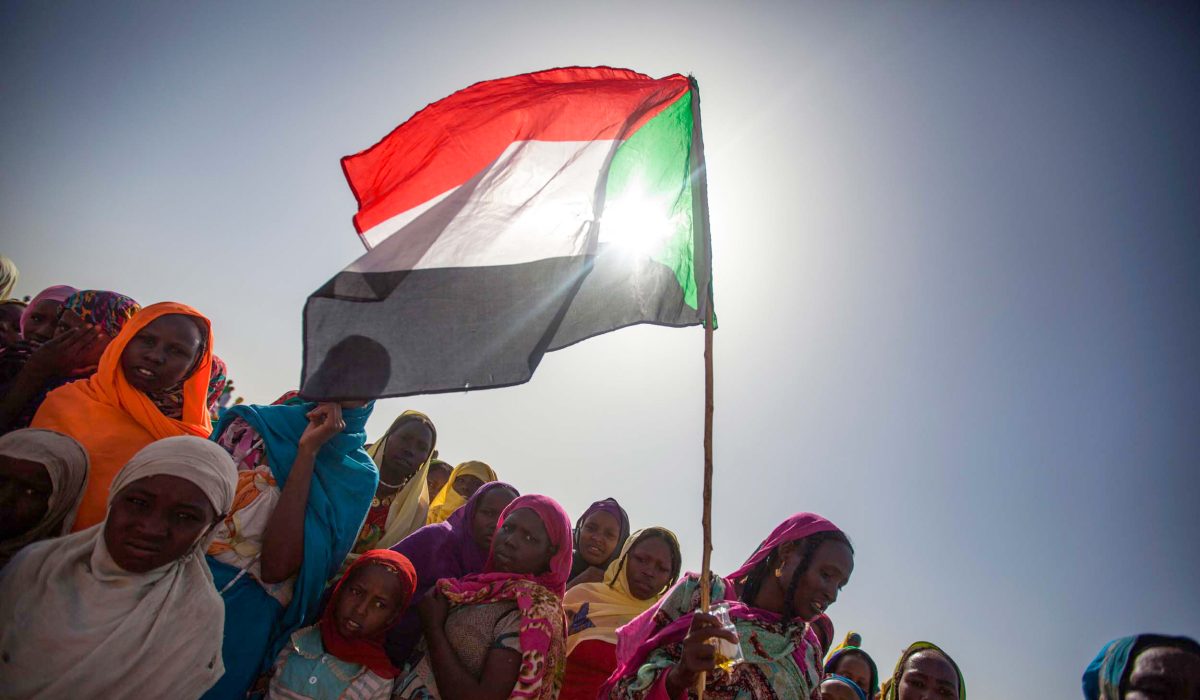
Sudan is now the site of the world’s most severe humanitarian emergency. Famine conditions have been confirmed in El Fasher in North Darfur and Kadugli in South Kordofan, with the Integrated Food Security Phase Classification warning of imminent risk in 20 additional areas across Greater Darfur and Greater Kordofan. An estimated 21.2 million people, roughly 45 per cent of the population, face acute food insecurity. The World Food Programme describes the crisis as the largest hunger emergency on the planet.
The famine is a direct product of the civil war that erupted in April 2023 between the Sudanese Armed Forces and the Rapid Support Forces. Both sides have used starvation as a tool of conflict. The RSF has systematically looted cities, destroyed harvests, and dismantled local food production, particularly across Darfur’s most fertile land. The SAF has restricted humanitarian aid deliveries by blocking food shipments into RSF-controlled areas. Between them, the warring parties have turned a food system that was already fragile into one that is collapsing.
The Scale of Catastrophe
The numbers are staggering even by the standards of recent African crises. The Sudan Doctors Union estimated in January 2025 that 522,000 children had died due to malnutrition since the war began. Global Acute Malnutrition rates from screening data range from 38 to 75 percent in El Fasher. In South Kordofan, more than 63,000 children are acutely malnourished, including over 10,000 suffering from severe acute malnutrition.
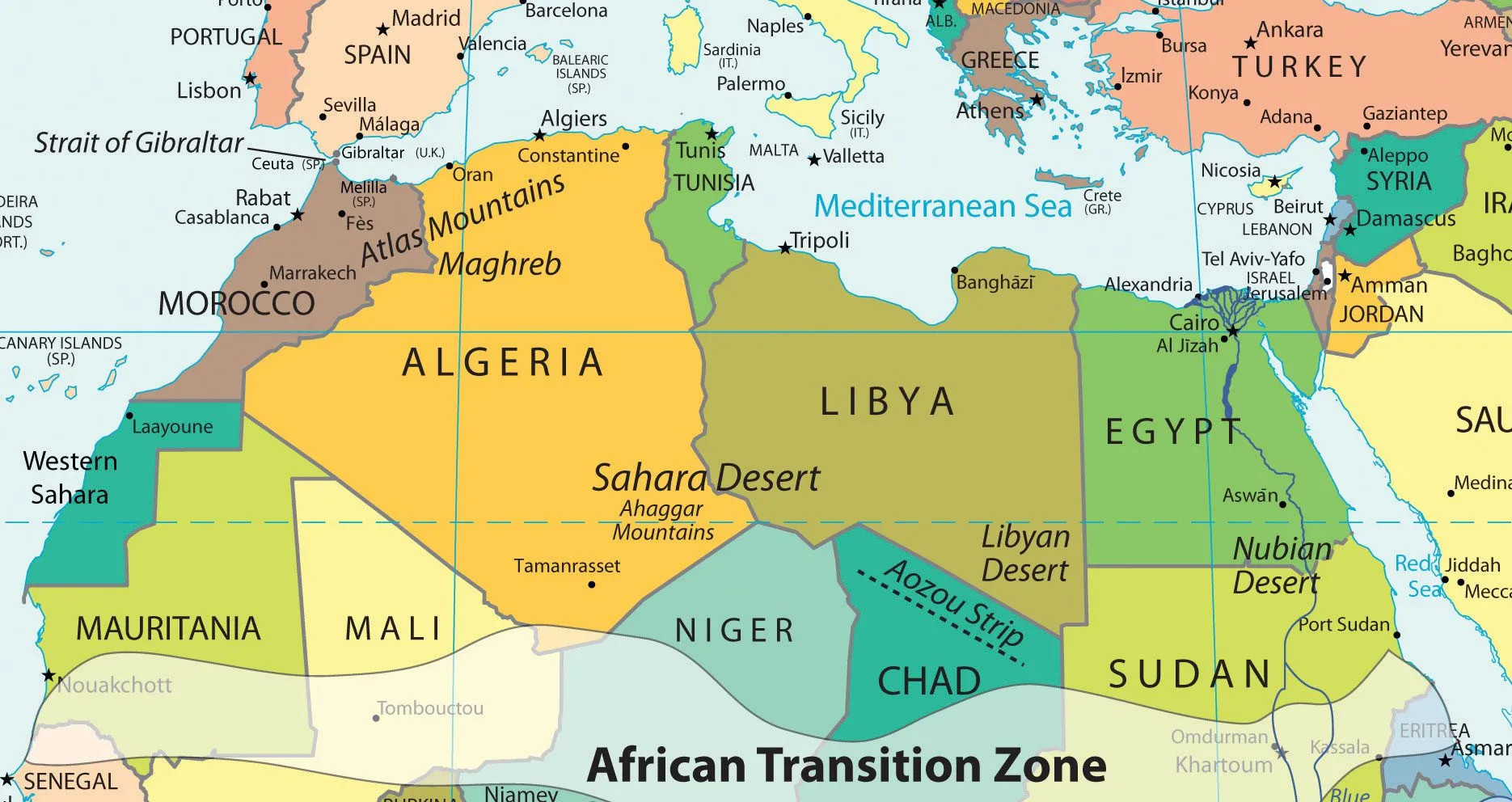
Nearly 12 million people have been forcibly displaced, both within Sudan and across its borders, making this the world’s largest displacement crisis. Millions have fled to Chad, South Sudan, and Egypt, placing additional strain on countries that are themselves managing food insecurity. Disease outbreaks of cholera, malaria, and measles are multiplying in displacement camps where health, water, and sanitation systems have collapsed. Eighty percent of health facilities across the country are damaged or non-functional.
The IPC’s September 2025 analysis noted fragile improvements in some areas where conflict had subsided, particularly in Khartoum, Gezira, and Sennar states. WFP emergency food assistance helped reverse famine conditions in nine locations where fighting had receded. These localised gains are welcome but insufficient. The improvements depend entirely on continued absence of fighting and sustained humanitarian access, neither of which can be guaranteed.
Agricultural Destruction and Long-Term Damage
Sudan’s agricultural sector has suffered losses that will take years to reverse. Two consecutive farming seasons have been under-utilised. Irrigation systems along the Nile have been damaged, farmland abandoned, and transport corridors severed. Essential agricultural equipment has been looted across the country’s grain-producing regions. Two thirds of the population depend on agriculture for food and livelihoods.
Staple food prices remain extreme. Sorghum and wheat flour are still more than 100 percent above early 2024 levels. Markets in Greater Kordofan are among the least functional in the country, with prices far exceeding national averages. For communities that have lost their livestock, seed stocks, and farming tools, recovery will require not just an end to fighting but sustained investment in agricultural reconstruction that cannot begin until security conditions allow it.
The United Nations Office for the Coordination of Humanitarian Affairs has repeatedly warned that without safe and sustained access for aid workers, adequate funding, and an end to violence, famine will continue to claim lives. The humanitarian response plan for Sudan in 2026 requires $2.9 billion. As of early February, it remains drastically underfunded.
Regional Consequences and the Limits of Response
The crisis extends well beyond Sudan’s borders. Egypt faces refugee inflows and disruption to trade routes that historically passed through Sudanese territory. South Sudan, itself teetering on the edge of renewed conflict, depends on Sudanese grain markets and has experienced sharp price increases as those supply routes have broken down. Chad is hosting hundreds of thousands of Sudanese refugees while managing its own food security pressures.
International engagement remains limited relative to the scale of the emergency. The WFP requires $700 million to sustain operations from January to June 2026 and is currently reaching over 4 million people per month, including 1.5 million in the hardest-hit areas of Darfur and Kordofan. Funding shortfalls have forced the agency to prioritise only the most desperate communities.
Sudan’s famine is not a natural disaster. It is the predictable consequence of a war in which both sides have calculated that controlling food is a more effective weapon than controlling territory. Until the international community treats the deliberate obstruction of humanitarian access as the war crime it represents, and until the warring parties face genuine consequences for using starvation as strategy, the crisis will continue to deepen. The question is no longer whether Sudan will experience mass death from hunger. It is how many will die before the political will to act catches up with the scale of the catastrophe.






Leave a Reply