
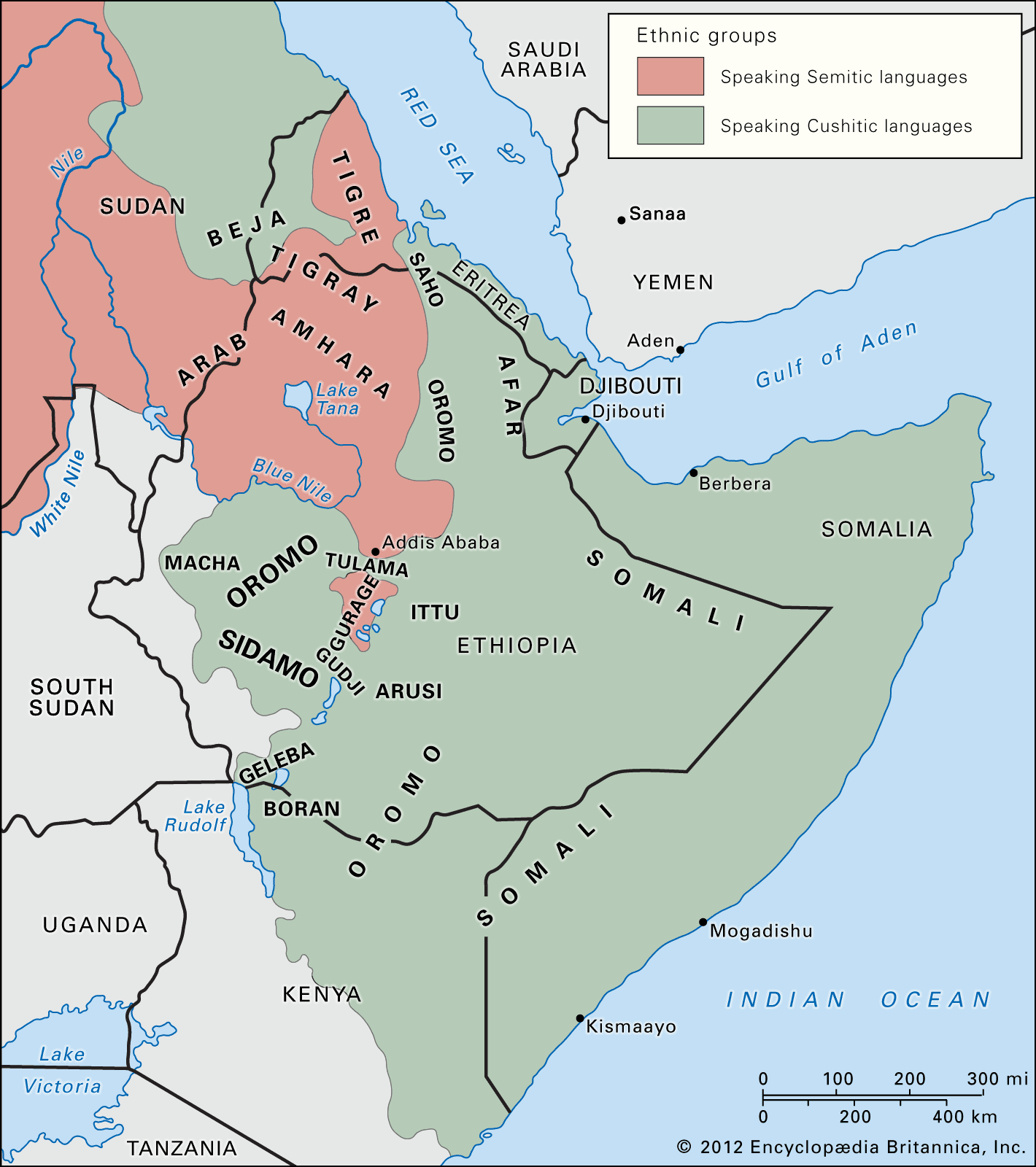
The Horn of Africa is entering a period of renewed focus on regional connectivity and economic cooperation. For decades, trade within the region has been constrained by limited infrastructure, political fragmentation, and high transport costs. Recent investments in transport corridors and logistics networks are beginning to take shape and opening an opportunity to change this. Ethiopia and Djibouti have become central to this shift, demonstrating how coordinated infrastructure development and economic partnerships can reshape regional trade patterns.
These developments are particularly significant given the economic structure of the region. Ethiopia is Africa’s second most populous country and one of its fastest growing economies, yet it remains landlocked and heavily dependent on neighbouring ports for access to international markets. Djibouti, by contrast, possesses one of the most strategically located port systems in the world at the entrance to the Red Sea. The economic relationship between the two countries therefore forms the backbone of trade across much of the Horn of Africa.
The Strategic Role of the Ethiopia Djibouti Corridor
The trade route linking Addis Ababa with the ports of Djibouti is one of the most important commercial arteries in East Africa. More than ninety percent of Ethiopia’s external trade moves through Djibouti’s port infrastructure. As a result, the efficiency of this corridor directly affects prices, supply chains, and industrial competitiveness across the Ethiopian economy.
Recognising this importance, regional governments and businesses have prioritised upgrading the corridor’s infrastructure. Road expansion, logistics hubs, and improved border management systems are intended to reduce transit times and lower transport costs for businesses operating in both countries. These improvements form part of a wider regional strategy to strengthen economic connectivity across the Horn.
International development partners have played a major role in supporting these initiatives. The World Bank has backed infrastructure improvements designed to enhance trade and connectivity along the corridor, arguing that improved transport links are essential for unlocking economic growth in the region.
The impact of these improvements extends beyond transport efficiency. Reliable trade routes encourage industrial investment, strengthen export sectors, and reduce the cost of imported goods that remain essential for both economies.
Infrastructure and Regional Development
Transport infrastructure in the Horn of Africa has historically been uneven and insufficient to support large scale trade. Poor road networks and administrative bottlenecks have limited the ability of producers to reach regional and international markets. Upgrading these networks is therefore viewed as a critical step towards economic transformation.
Recent financing agreements highlight the scale of these efforts. In late 2025 the African Development Bank approved funding for the second phase of the South Sudan Ethiopia Djibouti Transport Corridor Project. The programme includes construction of new highway segments and improvements to feeder roads that connect rural communities to major transport routes.
Projects of this kind serve several purposes simultaneously. They facilitate international trade, integrate remote regions into national economies, and improve mobility for local populations. By linking agricultural areas with export corridors, the infrastructure also supports farmers who previously struggled to transport goods to urban markets or ports.
For Ethiopia, whose economy relies heavily on agriculture and emerging manufacturing sectors, reliable transport links are essential for sustaining economic growth. For Djibouti, expanded transit traffic strengthens its role as a regional logistics hub and generates revenue through port services and trade related industries.
Djibouti’s Expanding Role as a Logistics Hub
Djibouti’s geographic location has long given it strategic importance, but recent investments have significantly expanded its logistical capacity. The country has developed modern port facilities, transport infrastructure, and free trade zones designed to handle growing cargo volumes from across the region.
The Djibouti Regional Economic Corridor project is an important part of this strategy. With additional financing from international partners, the initiative aims to strengthen road infrastructure connecting Djibouti’s ports to the Ethiopian border while improving resilience to climate related stresses.
These investments are particularly significant given the environmental challenges facing the region. Extreme heat and changing climate conditions can damage transport infrastructure and disrupt supply chains. Incorporating climate resilience into corridor design has therefore become an important consideration for both governments and development partners.
At the same time, Djibouti is working to modernise customs procedures and introduce digital trade systems that reduce delays at ports and border crossings. Improved logistics management can significantly reduce the time required for cargo to move between Ethiopia and global markets.
Economic Partnerships and Integration Challnges
Infrastructure alone does not guarantee successful regional integration. Trade corridors are most effective when supported by regulatory coordination, efficient customs procedures, and stable political environments. The Horn of Africa continues to face governance challenges that can complicate economic cooperation.
Regional initiatives such as the African Continental Free Trade Area provide a framework for addressing some of these barriers by encouraging tariff reductions and regulatory alignment across African markets. For Ethiopia, participation in such frameworks offers opportunities to expand exports beyond immediate neighbours and integrate more deeply into continental trade networks.
Nevertheless, several structural challenges remain. Security concerns in parts of the region can disrupt transport routes and deter private investment. Administrative inefficiencies may also limit the benefits of infrastructure upgrades if border procedures remain slow or inconsistent.
Financing and maintenance present additional concerns. Building major infrastructure projects requires large capital investments, but long term success depends on sustained funding for maintenance and operational management.
Regional Implications
Despite these challenges, the Ethiopia Djibouti partnership illustrates how infrastructure investment and economic cooperation can reshape regional dynamics. Improved trade corridors have the potential to reduce costs for consumers, expand opportunities for exporters, and stimulate economic activity across multiple sectors.
For the wider Horn of Africa, these developments suggest a gradual shift toward greater economic integration. Countries that once relied primarily on domestic markets are increasingly connected through transport networks that facilitate cross border commerce.
The long term impact of these projects will depend on whether governments can sustain cooperation and strengthen institutions that support trade. If these conditions are met, the transport corridors linking Ethiopia and Djibouti could become a cornerstone of economic growth and stability in one of Africa’s most strategically important regions.











Leave a Reply