
The US-Israeli strikes on Iran that began on February 28, 2026, under the codename Operation Epic Fury, were designed to degrade Tehran’s nuclear infrastructure, missile arsenal, and military command structure. The opening assault killed Supreme Leader Ali Khamenei and dozens of senior officials, decapitating the Islamic Republic’s political leadership in a single coordinated operation. Within hours, Iran responded with a retaliatory campaign that has since expanded well beyond any single theatre of conflict. Missiles and drones have struck targets across the Gulf, the Levant, and the Indian Ocean, pulling multiple sovereign states into a war they did not choose. Three weeks in, the consequences for regional stability are severe and still compounding.
A War Without Borders
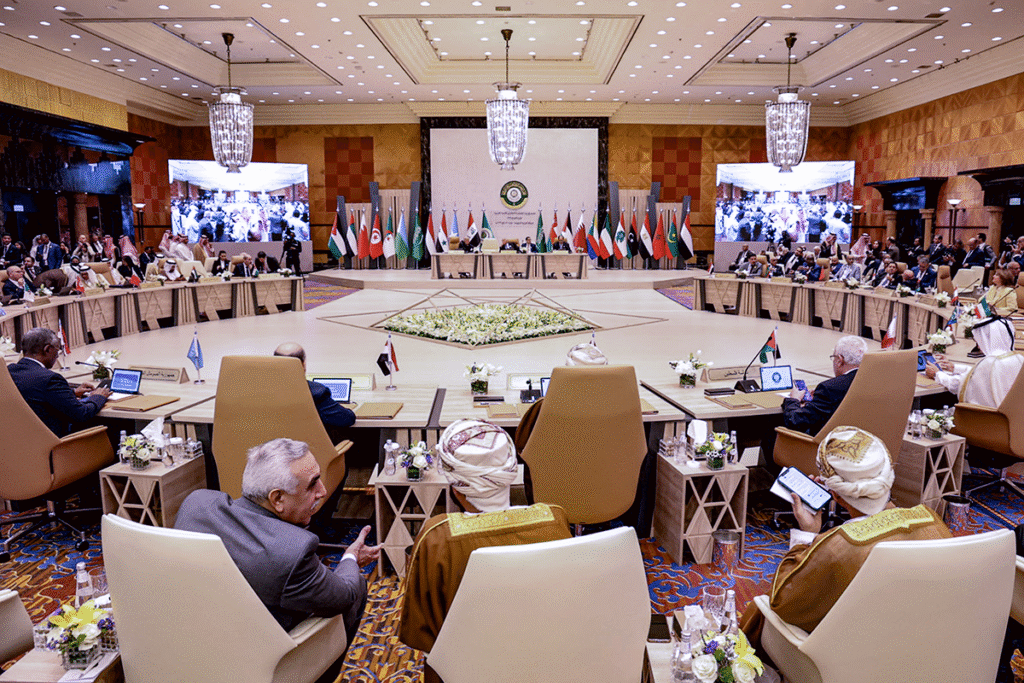
Iran’s counter-strikes have followed a logic of horizontal escalation, targeting not only Israel and American military installations but also the territory and infrastructure of neighbouring states. Kuwait, Qatar, the UAE, Saudi Arabia, Iraq, Jordan, Bahrain, and Cyprus have all absorbed Iranian fire. Encyclopaedia Britannica documented retaliatory strikes on US embassies and military installations across at least eight countries, alongside attacks on oil infrastructure and commercial shipping. Bahrain’s defence forces reported intercepting more than 143 missiles and 242 drones since February 28. Saudi Arabia intercepted at least 47 drones in a single concentrated barrage over its eastern region.
The breadth of targets signals a deliberate strategic calculation. Unable to match US-Israeli military capability in a conventional confrontation, Iran has distributed the costs of war across the entire region. The message to Gulf states is pointed: hosting American forces carries a direct military price. The message to Washington is equally clear: containing this conflict to Iranian soil is no longer an option.
The Strait of Hormuz Under Siege
The most consequential dimension of Iran’s retaliation has been its effective closure of the Strait of Hormuz, the narrow waterway through which approximately 20 percent of the world’s oil supply transits daily. On March 4, Iranian forces declared the strait closed and began targeting commercial vessels. By mid-March, tanker traffic had dropped by roughly 70 percent. The Federal Reserve Bank of Dallas described the disruption as unprecedented, noting that a complete cessation of Gulf oil exports removes close to 20 percent of global supplies from the market.
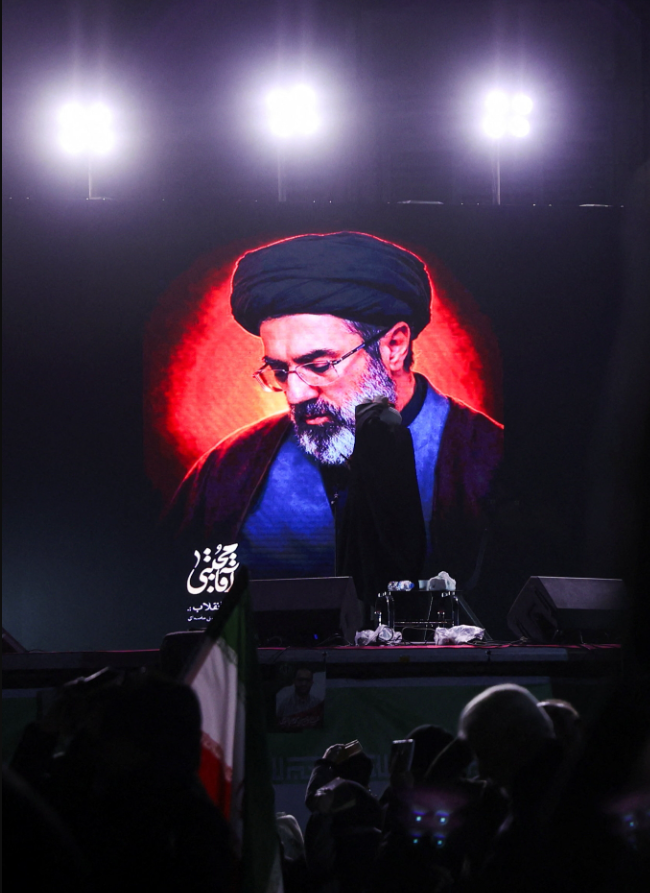
Brent crude surged past $120 per barrel. QatarEnergy declared force majeure on all LNG exports. Oil production across Kuwait, Iraq, Saudi Arabia, and the UAE dropped by at least 10 million barrels per day by mid-March, the largest supply disruption in the history of global oil markets. Iran’s new Supreme Leader, Mojtaba Khamenei, who succeeded his slain father on March 8, stated publicly that the strait must remain closed as a pressure tool against adversaries.
Proxy Fronts Reignited
The conflict has reactivated proxy fronts that many analysts considered degraded beyond operational relevance. Hezbollah has resumed attacks on Israel from southern Lebanon, prompting renewed Israeli military operations. Iraqi militias have struck US bases across western Iraq. Yemen’s Houthi forces have renewed threats in the Red Sea, compounding disruptions to an already fragile shipping corridor. In Lebanon, hundreds of thousands have been displaced. Across the Gulf, the maritime blockade has triggered what analysts describe as a grocery supply emergency, with over 70 percent of food imports to GCC states disrupted by mid-March.
The RAND Corporation warned that Iran may come to resemble post-Gulf War Iraq: militarily weakened, economically isolated, yet governed by leadership that views survival as a strategic victory. The selection of Mojtaba Khamenei as supreme leader has been widely interpreted as a rejection of potential off-ramps, suggesting Tehran will sustain a prolonged campaign rather than negotiate from perceived weakness.
No Clear Path to De-escalation
For Gulf states, the war has shattered a foundational assumption: that proximity to the United States and normalisation with Israel would enhance, rather than endanger, their security. The UAE’s Jebel Ali port was struck in the opening days. Saudi Arabia faces drone swarms over its eastern oil infrastructure. Qatar saw its main gas facility shut down. Even Oman, which historically served as a mediating channel between Iran and the West, has seen its ports targeted.
Three weeks into the conflict, no credible diplomatic framework exists for ending it. The United States has called for Iran’s unconditional surrender, making it impossible for Tehran to negotiate without appearing to capitulate. Diplomatic intermediaries, including Qatar and Oman, have been drawn into the conflict as targets rather than mediators. The military campaign may be degrading Iranian capability: nuclear facilities at Natanz and Fordow are further damaged, missile launch rates have declined, and naval assets at Bandar Abbas have been severely hit. But degradation of military capacity and regional stability are now moving in opposite directions. Every strike on Iranian infrastructure generates retaliatory fire that hits Gulf commercial centres, energy systems, and civilian areas. The Middle East is experiencing the destruction of its prior security order, with no indication of what might replace it.


Leave a Reply