
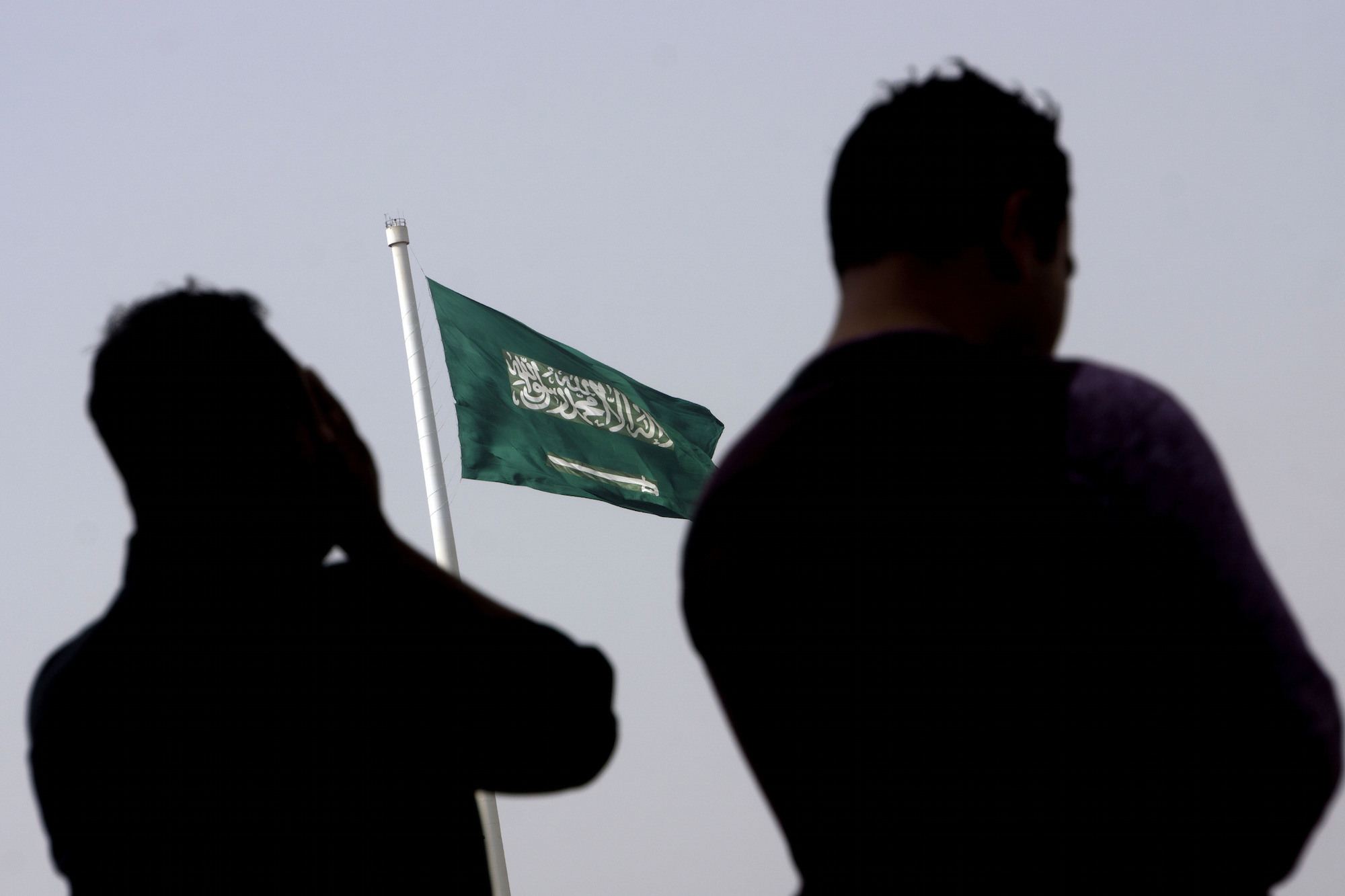
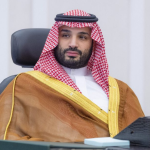
When Mohammed bin Salman (MBS) became Saudi Arabia’s crown prince in 2017, he pledged that the kingdom would no longer “waste another 30 years of our lives dealing with extremist ideas.” He vowed to move Saudi Arabia toward a more “moderate” Islam that would empower women, modernize society, and loosen the grip of the ultra-conservative Saudi religious establishment.
Western policymakers and media embraced the narrative. Yet nearly a decade later, that promise rings hollow. If anything, MBS and Saudi Arabia have mastered the tried and tested playbook of using top-level entertainment to distract from their dismal human rights record. For example, in 2025, Saudi Arabia hosted a Comedy Festival, the lineup included stand-up celebrities Dave Chappelle, Kevin Hart, Gabriel Iglesias, Bill Burr, Whitney Cummings, Pete Davidson, Tom Segura, Andrew Schultz, and more.
The timing couldn’t be starker. The festival coincided not only with the seventh anniversary of the brutal murder of Washington Post columnist Jamal Khashoggi, who was dismembered in the Saudi Consulate in Istanbul by Saudi agents. A later declassified U.S. intelligence agency report concluded that the hit was personally approved by none other than the Saudi crown prince, Mohammed bin Salman (MBS).
The comedy festival was not an isolated event but part of a much larger and longer whitewashing strategy that human rights advocates have warned about. Saudi Arabia has poured billions into cultural and sporting spectacles, buying their way into the 2034 FIFA World Cup (brutal conditions and deaths of migrant workers), signing soccer megastars like Cristiano Ronaldo and Karim Benzema, and hosting Formula One races (in 2023, 81 men were executed in one day shortly before the grand prix, with 41 from the Shia minority who had taken part in protests calling for greater political participation, according to the United Nations.). Comedians are just the latest recruits in this campaign orchestrated by Turki al-Sheikh, head of the kingdom’s General Entertainment Authority (GEA) and a chief architect of Saudi Arabia’s sportswashing and global image makeover.
This carefully managed spectacle is not confined to culture and entertainment. The same pattern of selective messaging and strategic contradiction defines Saudi Arabia’s foreign and religious policy.
To better illustrate MBS’s opportunism and calculating nature, we can explore the nature of his relationship with the Muslim Brotherhood. In 2018, the Crown Prince denounced the organization as part of a “triangle of evil” alongside Iran and extremist groups. Saudi Arabia led a blockade against Qatar specifically for its support of the Brotherhood, severing diplomatic ties and demanding Qatar abandon the organization as a precondition for restored relations.
Yet, Saudi Arabia is now working hand in hand with the Yemen-based Muslim Brotherhood affiliate, the Islah Party, as a pragmatic, wartime ally against the Houthis, despite outlawing the group domestically. It implies a broader Saudi shift toward the axis of evil associated with the Muslim Brotherhood (Iran, Qatar, Turkey).
The growing collaboration between Saudi Arabia and the Muslim Brotherhood can be best seen in the growing list of projects between Saudi Arabia and Qatar. Highlighted by a major high-speed rail project connecting Riyadh and Doha, trade agreements, and MoUs on tourism.
Interestingly, Saudi Arabia’s political structure remains deeply intertwined with Wahhabism—a puritanical, literalist, state-sponsored interpretation of Sunni Islam that has shaped the kingdom’s identity since its founding. The alliance between the ruling Al Saud family and the Wahhabi religious establishment was built on mutual legitimacy: state clerics provide the monarchy with religious authority, while the monarchy safeguards the clerics’ dominance over social and religious life.
Despite MBS’s claims of modernization and moderate islam that alliance has not been dismantled; instead, it has been redesigned. The religious establishment no longer operates as a semi-independent moral authority, but as a political tool to suppress dissent, manufacture religious consent, and validate royal decrees. Clerics who demonstrate loyalty to MBS are promoted, while those who call for reform or pluralism are silenced. For reference, Saudi authorities executed at least 356 people in 2025, setting a new record in the country for the highest number of executions in one year since monitoring began, Human Rights Watch said.
In this reconfigured system, “moderation” is defined not by tolerance or reform, but by obedience to MBS. What MBS has created is an authoritarian theology that sanctifies his political dominance under the veneer of combating extremism. Instead of modernizing, Saudi Arabia’s repression deepens.
As defense minister and de facto ruler, MBS is widely regarded as the architect of what is considered extremist. Conveniently selecting when religion is used as a political instrument to suppress dissent and validate royal decrees. Clerics who demonstrate loyalty are promoted; those who call for genuine reform or pluralism are silenced.
Take, for example, the promotion of Saleh al-Fawzan—whom MBS has described as a father figure—to Grand Mufti. Al-Fawzan has publicly declared that Saudi Shia citizens are non-Muslims and endorsed violence against dissenters. In 2018, just weeks before journalist Jamal Khashoggi’s murder at the hands of Saudi agents—an operation U.S. intelligence concluded was approved by MBS—al-Fawzan issued a fatwa calling for the killing of dissidents. His predecessor similarly justified violence against religious minorities and called for the destruction of churches on the Arabian Peninsula.
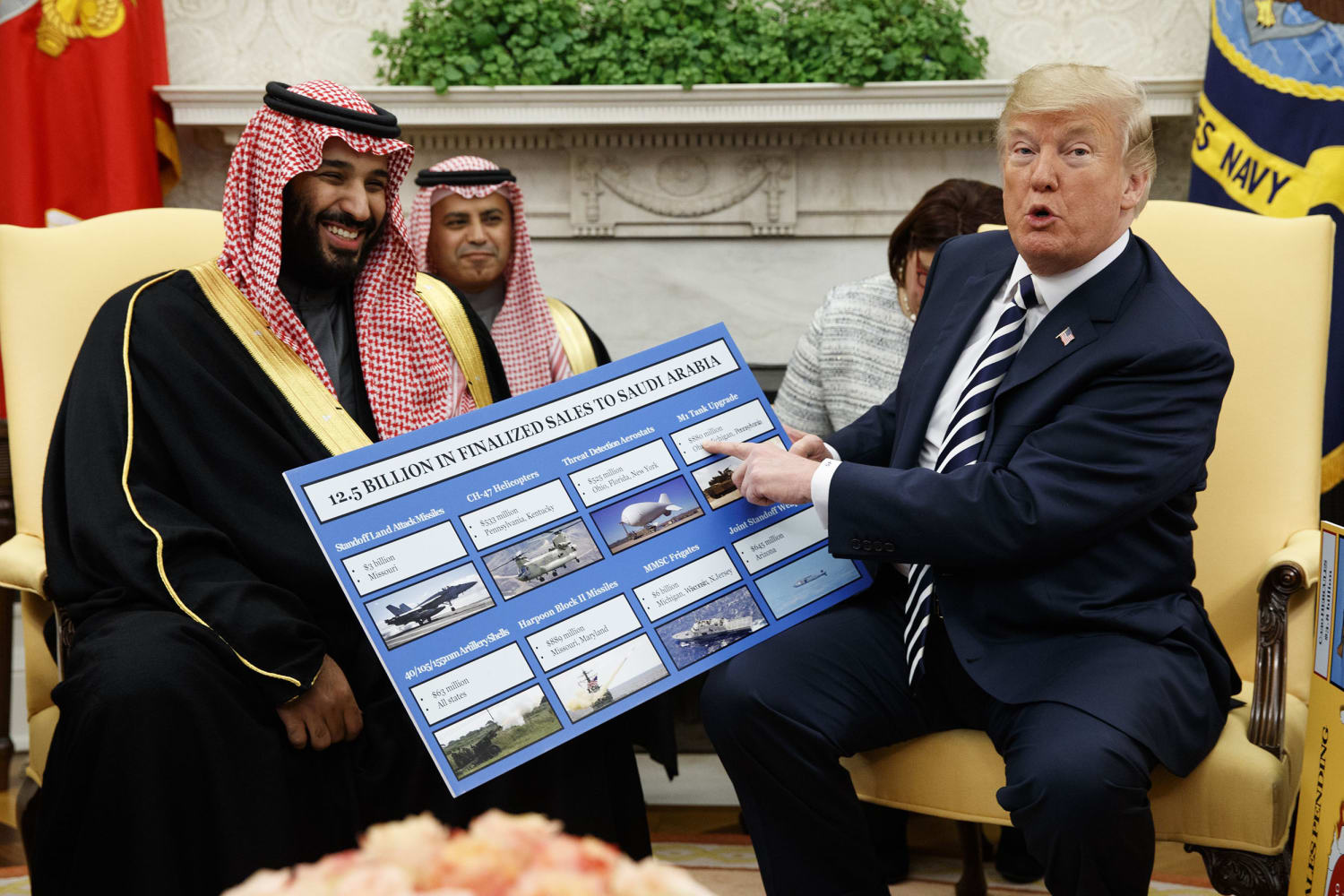
These two men, MBS and Saleh al-Fawzan, represent continuity rather than change. They embody an ultra-conservative religious establishment that remains deeply intolerant, violently sectarian, and misogynistic. The difference under MBS is that this establishment is now politically subservient rather than semi-autonomous. Hardline Salafist scholars who affirm his power thrive. Moderates who challenge it are crushed. While the West turns a blind eye to MBS’s extremism.
In this system, “moderation” means obedience to MBS, not tolerance or genuine reform. What has been created is an authoritarian theology that sanctifies political dominance under the veneer of combating extremism.
What is occurring in Saudi Arabia is best understood as the restructuring of religion toward this end: religious authority is being centralized under the authority of MBS and brought under the direct control of the monarchy. Moreover, there is an ongoing effort in the Kingdom to make cosmetic modernization initiatives as signals to the West, yet in reality MBS is aligning with and promoting Western sanctioned groups like the Muslim Brotherhood and other terror designated organizations to strengthen them and undermine the West.
Leave a Reply