
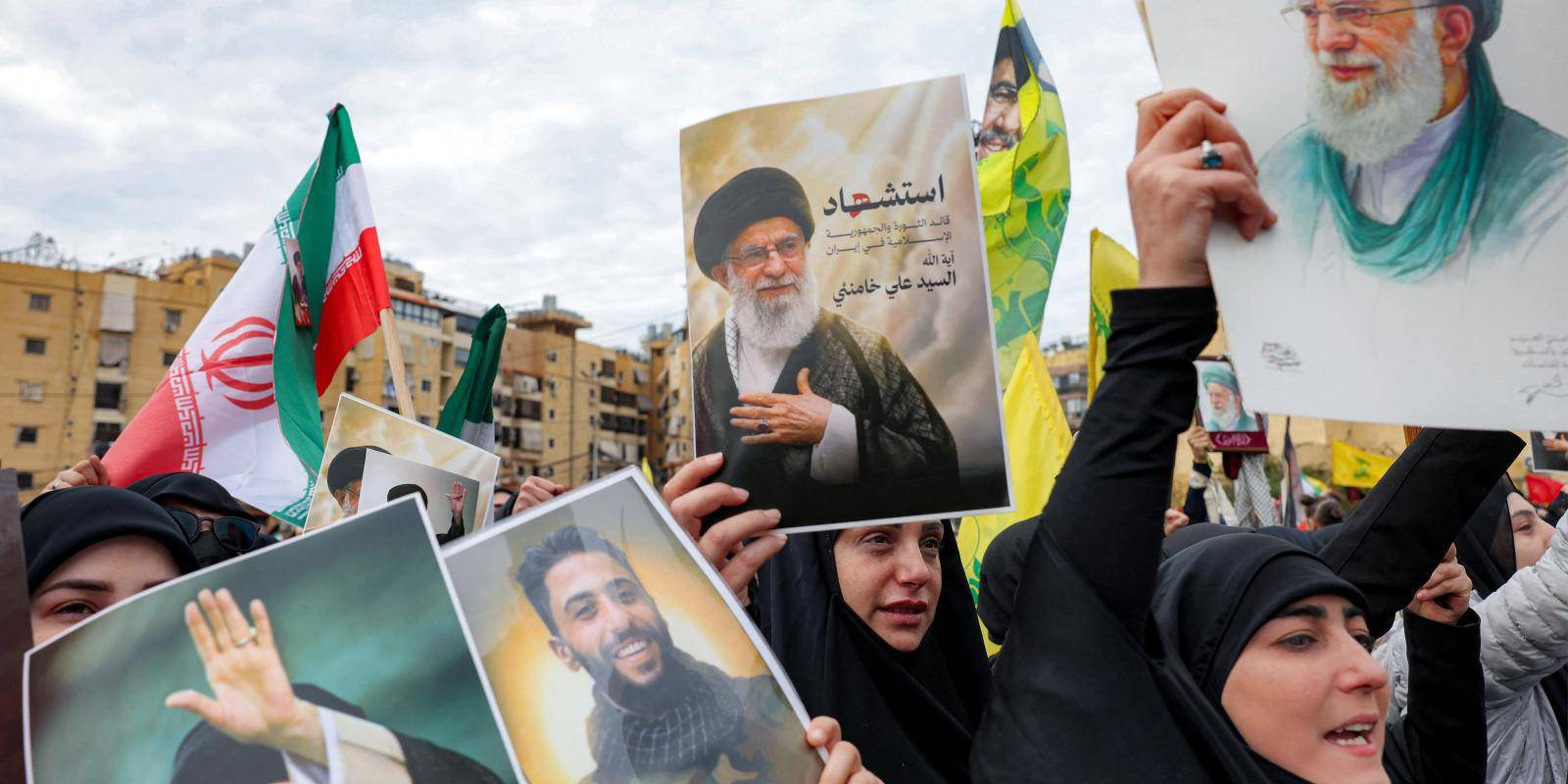
Tensions between Iran and the United States have once again become one of the central elements shaping the security environment of the Middle East. Recent months have seen increasingly sharp rhetoric, visible military signalling and continued friction across several regional theatres. Although direct confrontation has not occurred, the strategic standoff reflects a deeper struggle over influence, deterrence and the future balance of power in the region.
The confrontation is driven by several overlapping issues. These include Iran’s expanding network of regional partnerships and militias, the unresolved dispute over its nuclear programme, and the broader effort by Western governments to limit Tehran’s strategic reach as well as that of China in relation to Iran. Together, these dynamics have produced a tense standoff in which both sides seek to avoid open conflict while simultaneously strengthening their respective deterrence positions with unprecedented military deployments, particularly by the United States.
A defining feature of Iran’s regional strategy is its reliance on allied non state actors and political movements across the Middle East. Over the past two decades, Tehran has cultivated relationships with armed groups in Iraq, Syria, Lebanon and Yemen, allowing it to project influence well beyond its borders. From an Iranian strategic perspective, these networks function as part of a broader doctrine of “forward defence”, designed to deter external threats by extending the geographic space in which potential confrontations might occur.
The strategic logic behind this network is relatively clear. By operating through local actors, Tehran is able to exert influence and impose costs on its adversaries without directly exposing itself to large scale retaliation. Yet this strategy also introduces a degree of unpredictability into regional security dynamics. Localised clashes involving these groups can quickly evolve into broader confrontations, particularly when Israeli or American forces are involved.
Alongside these regional dynamics, the dispute over Iran’s nuclear programme remains a central point of contention between Tehran and Western governments. Diplomatic efforts to restore earlier nuclear agreements have stalled, leaving Iran under a comprehensive sanctions regime that continues to weigh heavily on its economy. Restrictions on oil exports, financial transactions and international banking have contributed to persistent inflation and economic uncertainty inside the country.
Despite these pressures, Iran has continued to expand elements of its nuclear programme. Western officials have increasingly voiced concern regarding enrichment levels and the technological capabilities being developed within Iran’s nuclear infrastructure. Iranian authorities, for their part, maintain that their activities remain within the framework of civilian nuclear development and emphasise that the programme serves peaceful energy and scientific purposes.
The resulting situation has produced a strategic stalemate. Western governments seek to prevent Iran from reaching a threshold that would allow it to rapidly develop nuclear weapons capability, while Tehran views continued technological progress as an important form of leverage against sanctions and diplomatic isolation. Neither side appears willing to make concessions that might weaken its broader negotiating position.
The implications of this standoff extend across the wider Middle East. Regional governments are closely monitoring developments, particularly those in the Gulf, where concerns over maritime security and energy infrastructure remain high. The Strait of Hormuz continues to serve as one of the most critical transit routes for global oil shipments, and any disruption to shipping through this narrow waterway would have immediate consequences for international energy markets.
Israel also remains a key factor in the evolving strategic environment. Iranian military entrenchment in Syria and the continued development of its missile and nuclear capabilities are widely viewed in Israeli strategic circles as long term security threats. As a result, Israel has maintained a pattern of targeted operations aimed at limiting Iranian military infrastructure in neighbouring states. These actions, while often limited in scope, contribute to a broader cycle of tension that intersects with the wider confrontation between Iran and Western powers.
External actors further complicate the regional landscape. The United States maintains a significant military presence across the Gulf and the eastern Mediterranean, reinforcing its commitments to regional partners and deterring potential Iranian escalation. At the same time, Russia and China have expanded their engagement with Tehran through diplomatic coordination, economic partnerships and energy cooperation. While these relationships do not constitute formal alliances, they provide Iran with alternative avenues for international engagement and partially offset the impact of Western pressure.
Taken together, these developments suggest that the current standoff represents less a temporary crisis than a structural feature of the region’s evolving security architecture. Neither Iran nor Western governments appear prepared to fundamentally alter their strategic posture, and both sides continue to operate within a framework defined by deterrence, signalling and limited confrontation.
The immediate risk lies in the possibility that a localised incident, whether involving maritime security in the Gulf, militia activity in Iraq or Syria, or Israeli operations targeting Iranian assets, could escalate and trigger a chain reaction across multiple fronts.
For the region as a whole, the challenge is therefore not only managing the current tensions but also preventing them from developing into a broader conflict. The Middle East is already grappling with economic pressures, fragile political systems and shifting geopolitical alignments. In this context, an escalation between Iran and Western powers would carry consequences that extend far beyond the immediate participants, reshaping the strategic landscape of the region for years to come.

اترك تعليقاً