
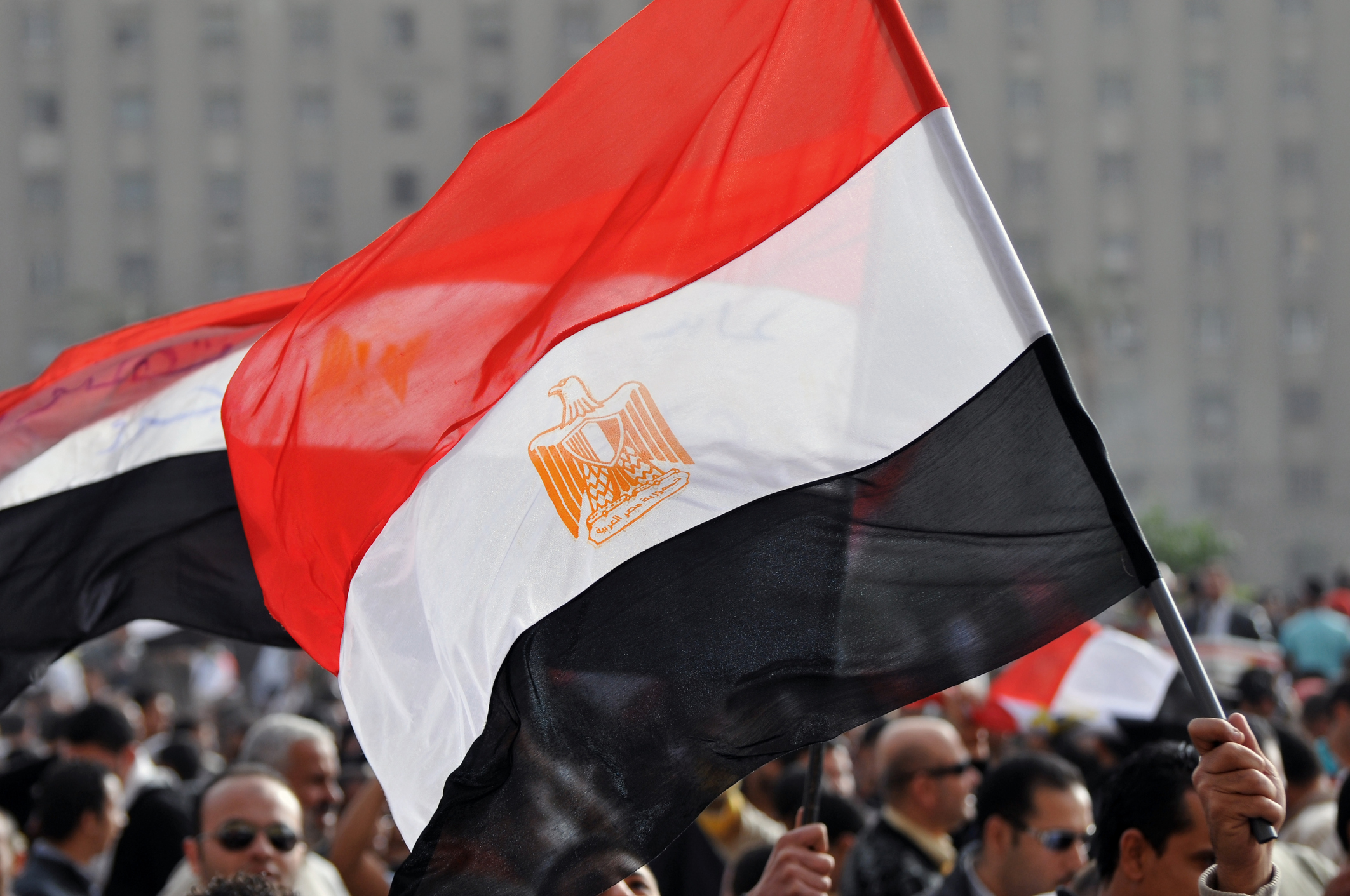
Egypt entered the second half of 2025 with its macroeconomic stabilisation programme showing tangible results, though the foundations remain fragile. Inflation has trended downward since peaking in September 2023. The shift to a flexible exchange rate in March 2024 has closed the gap between official and parallel market rates, and foreign currency reserves have strengthened. Growth, which slowed to 2.4 per cent in the fiscal year ending June 2024, has begun to recover. Behind these headline improvements, a more complicated picture persists: crushing debt service costs, a collapsing Suez Canal revenue stream, and structural reforms that face resistance from entrenched interests.
The IMF Programme and Fiscal Pressures
In March 2025, the IMF Executive Board completed the fourth review of Egypt’s economic performance under the Extended Fund Facility, approved a new arrangement under the Resilience and Sustainability Facility, and concluded the 2025 Article IV Consultation. The IMF noted that Egyptian authorities had continued to implement key policies to preserve macroeconomic stability despite ongoing regional tensions. The primary fiscal balance improved by one percentage point to 2.5 per cent of GDP in the previous fiscal year, driven by tight expenditure controls.
The fiscal picture is less encouraging when examined beyond the primary balance. Interest payments have risen to approximately 87 per cent of tax revenues, consuming an extraordinary share of government resources. Egypt’s total external debt has increased threefold since 2015, and the annual budget captures only a portion of actual liabilities due to off-budget borrowing. The government has relied on high interest rates to attract foreign portfolio investment through short-term debt instruments, a strategy that delivers liquidity but leaves finances exposed to rapid capital outflows. Three waves of such outflows over the past decade have triggered recurring balance-of-payments crises and sharp devaluations.
The Suez Canal Revenue Collapse
The most significant external shock to Egypt’s fiscal position has been the collapse in Suez Canal revenues. Houthi attacks on commercial shipping in the Red Sea, which began in late 2023 in response to the war in Gaza, diverted a substantial share of global maritime traffic away from the canal. According to the US State Department’s 2025 Investment Climate Statement, Suez Canal receipts declined by $6 billion in 2024 relative to the previous year and remained depressed through the first five months of 2025. Before the disruptions, canal receipts averaged over $700 million per month, making them one of Egypt’s most important sources of foreign exchange alongside tourism and remittances.
The loss of canal revenue compounds an already difficult external environment. While tourism has held up and remittances remain robust, the combined effect of Red Sea disruptions, regional conflict and global trade uncertainty has made Egypt’s foreign currency position more precarious than aggregate reserve figures suggest.
Structural Reform and the State’s Footprint
The centrepiece of Egypt’s reform agenda under the IMF programme is a reduction in the state’s role in the economy. The IMF’s May 2025 review mission stressed the urgency of accelerating divestment, levelling the playing field between state-owned enterprises and private firms, and improving the business environment. The State Ownership Policy, which outlines sectors where the government intends to reduce its presence, has been published but implementation has lagged. Private sector participants have acknowledged improvements in trade facilitation and tax procedures, yet significant obstacles remain, including inconsistent regulatory enforcement and the continued expansion of military-linked commercial enterprises.
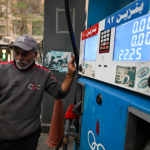
Energy subsidy reform presents another area of both progress and political risk. The IMF has called for domestic energy prices to reach cost-recovery levels. The retail fuel indexation mechanism has improved the financial position of the Egyptian General Petroleum Corporation, but Egypt continues to face a domestic energy shortage managed through liquefied natural gas imports. The cost of these imports, combined with subsidies that have not been fully reformed, creates ongoing pressure on the current account.
The Ras El-Hekma Effect
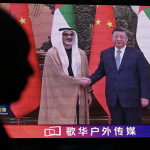
The UAE’s $35 billion Ras El-Hekma investment deal, announced in early 2024, provided critical near-term relief to Egypt’s foreign currency position and demonstrated continued Gulf confidence. The injection reduced immediate balance-of-payments pressures and gave the government breathing room to pursue reforms. The challenge is ensuring that this windfall addresses structural vulnerabilities rather than simply deferring them.
Outlook
Egypt’s trajectory through the remainder of 2025 and into 2026 hinges on several interconnected variables. The fifth and sixth IMF reviews, expected in the autumn, will test whether the government can demonstrate sufficient progress on divestment and private sector reforms to maintain programme support. A resolution to Red Sea shipping disruptions would provide significant fiscal relief, but this depends on regional dynamics well beyond Cairo’s control. The fundamental tension at the heart of Egypt’s reform programme remains unresolved: the IMF’s prescription of private sector-led growth requires a sustained retreat of the state from commercial activity, yet powerful institutional interests continue to resist that withdrawal. Until that tension finds a durable resolution, Egypt’s stabilisation will rest on external capital inflows and high interest rates rather than on the productive economic base the programme is designed to build.




Leave a Reply