
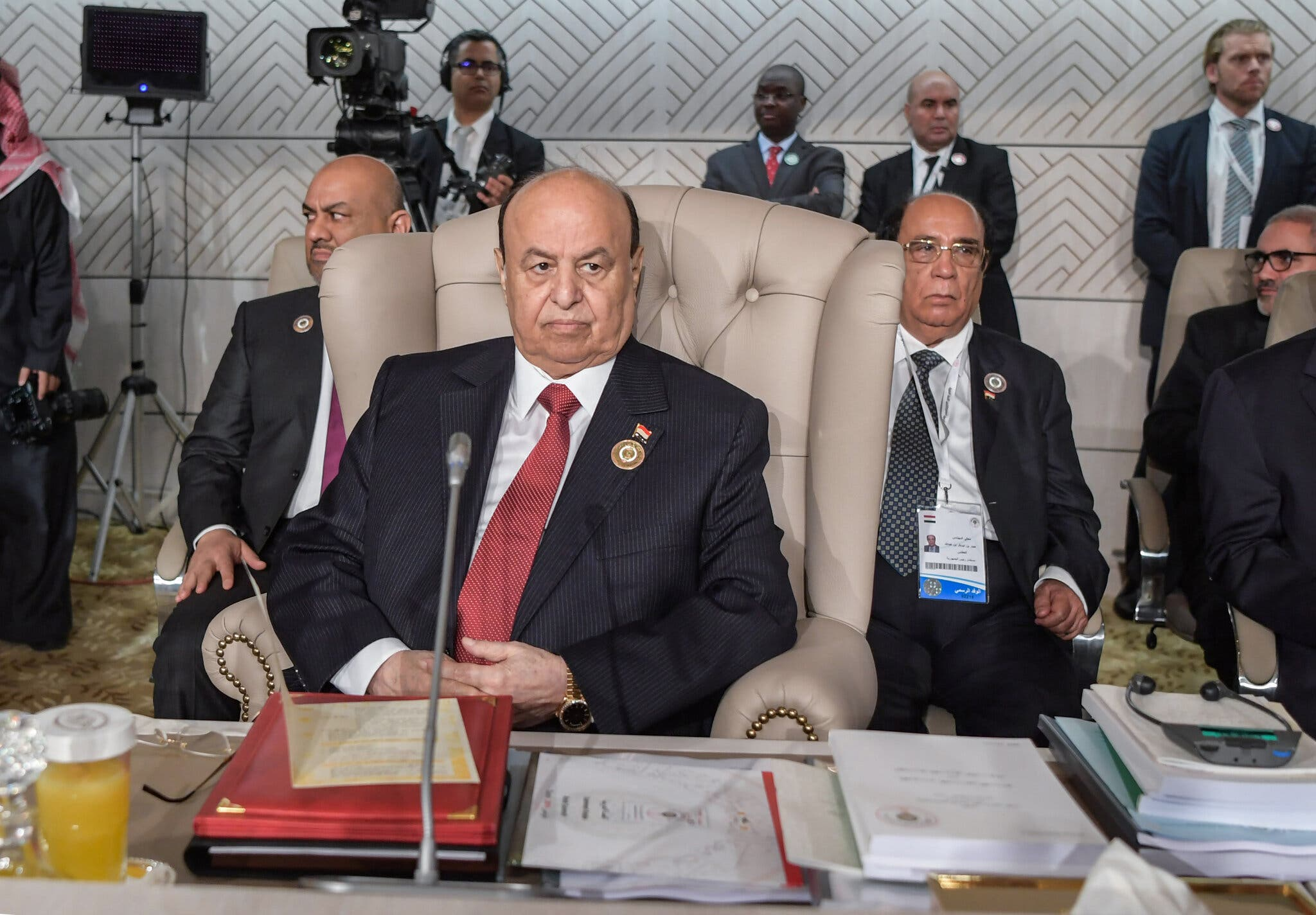
Abdu Rabbu Mansour Hadi died Thursday morning at his residence in the Saudi capital of Riyadh, where Mr. Hadi lived for nearly a decade. Mr. Hadi was almost 80 years old at the time of his passing. Both Yemeni state television and local newspapers, reported that Mr. Hadi died of a heart attack. Following his passing the Yemeni government declared three days of national mourning.
Mr. Hadi was a man who held the title of president for a decade although some critics would argue that this was a simply a placard. For most of that decade Mr. Hadi spent it abroad while Washington called him their partner in Yemen and the man his own aides privately called part of the problem. Mr. Hadi was neither a warlord nor a reformer. Mr. Hadi was something more difficult to eulogise. A transitional figure who outlasted the transition, presiding over a process of national collapse that no single person could have caused nor stopped.
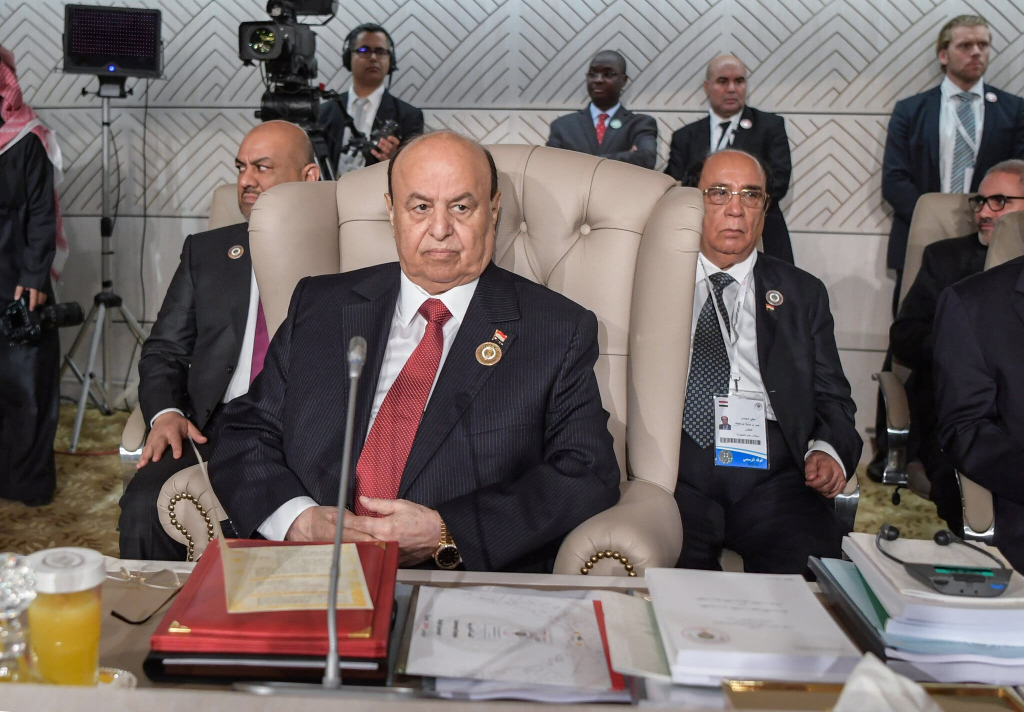
The country Mr. Hadi governed remains divided between a Houthi-controlled north and a fractured internationally recognised south. There is still no comprehensive peace in 2026. Since 2022, Mr. Hadi brokered a ceasefire which saw his remaining authority transferred to the Presidential Leadership Council and saw him stepped aside. Since then, there has been no meaningful changes or political settlements. There has only been the fragile ceasefire that has held, imperfectly, since 2022. Yemen continues without Mr. Hadi as it continued around him with difficulty, with resilience, and with a weight of grief that no eulogy can adequately carry.
Hadi assumed the presidency in February 2012 under a Gulf Cooperation Council-brokered transition agreement. Mr Hadi was the sole candidate who received 99 percent of the vote not through popular mobilisation, nor through a contested election, but rather through design. Mr. Hadi served as Saleh’s deputy for 17 years, with many Yemenis describing him as a figure who mainly stayed in the shadows. Mr. Hadi was a man who had no constituency of his own selected precisely because Mr. Hadi appeared unthreatening enough to be swallowable to all sides.
The task assigned to him was one of the most daunting in the modern Arab world: to steer a country already fracturing under the weight of a southern separatist movement, a resurgent Al-Qaeda affiliate, a Houthi insurgency pressing from the north, and an economy whose oil revenues were in terminal decline. Within hours of his inauguration, a suicide bomber killed at least twenty-six soldiers in Al-Mukalla.
Mr. Hadi organised a nearly yearlong National Dialogue Conference in 2013 that brought together political parties, tribal representatives, civil society actors, and regional voices. It was one of the most inclusive political processes the Arab world had seen in years. It also, ultimately, failed to hold: the Houthis rejected its outcomes, continued their advance, and by September 2014, had seized Sanaa. By January 2015, Hadi’s government had resigned. By March, Mr. Hadi was in exile in Riyadh, leaving Aden by boat as Saudi Arabia launched its air campaign.
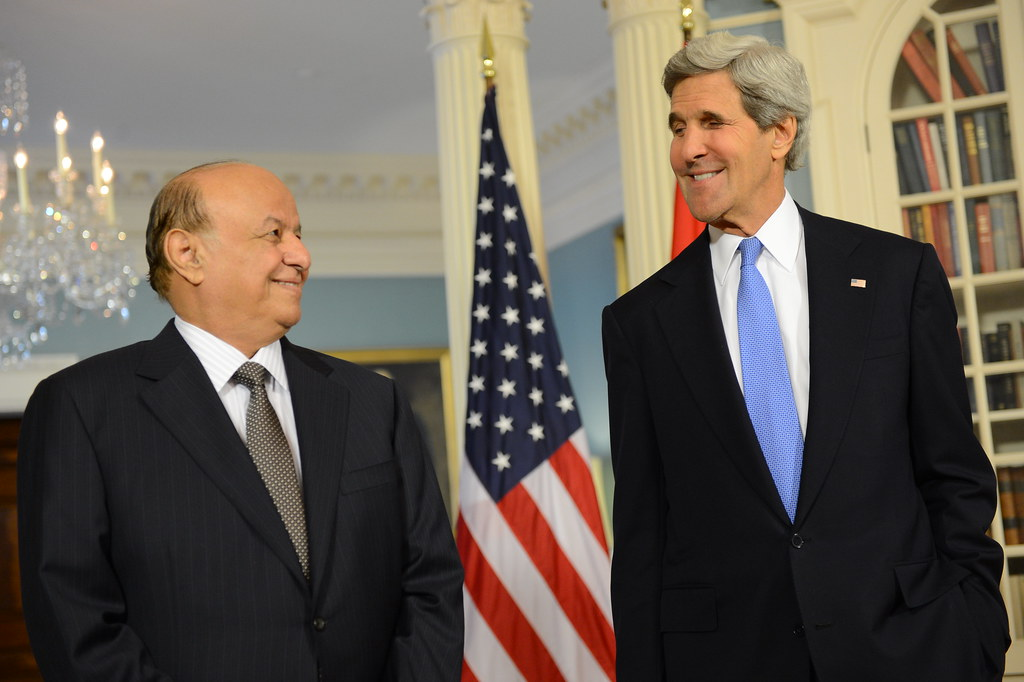
For Washington, Mr. Hadi was never quite a partner in the full sense of the word but more of an escape goat. The United States had built a counter-terrorism architecture in Yemen centred on drone strikes against Al-Qaeda in the Arabian Peninsula (AQAP), and Hadi’s government provided the legal and diplomatic scaffolding that made those operations possible. He endorsed the programme, absorbed the domestic criticism it generated, and continued to do so even as civilian casualties mounted and the strikes hardened local grievances that fed directly into the instability the programme was meant to contain.
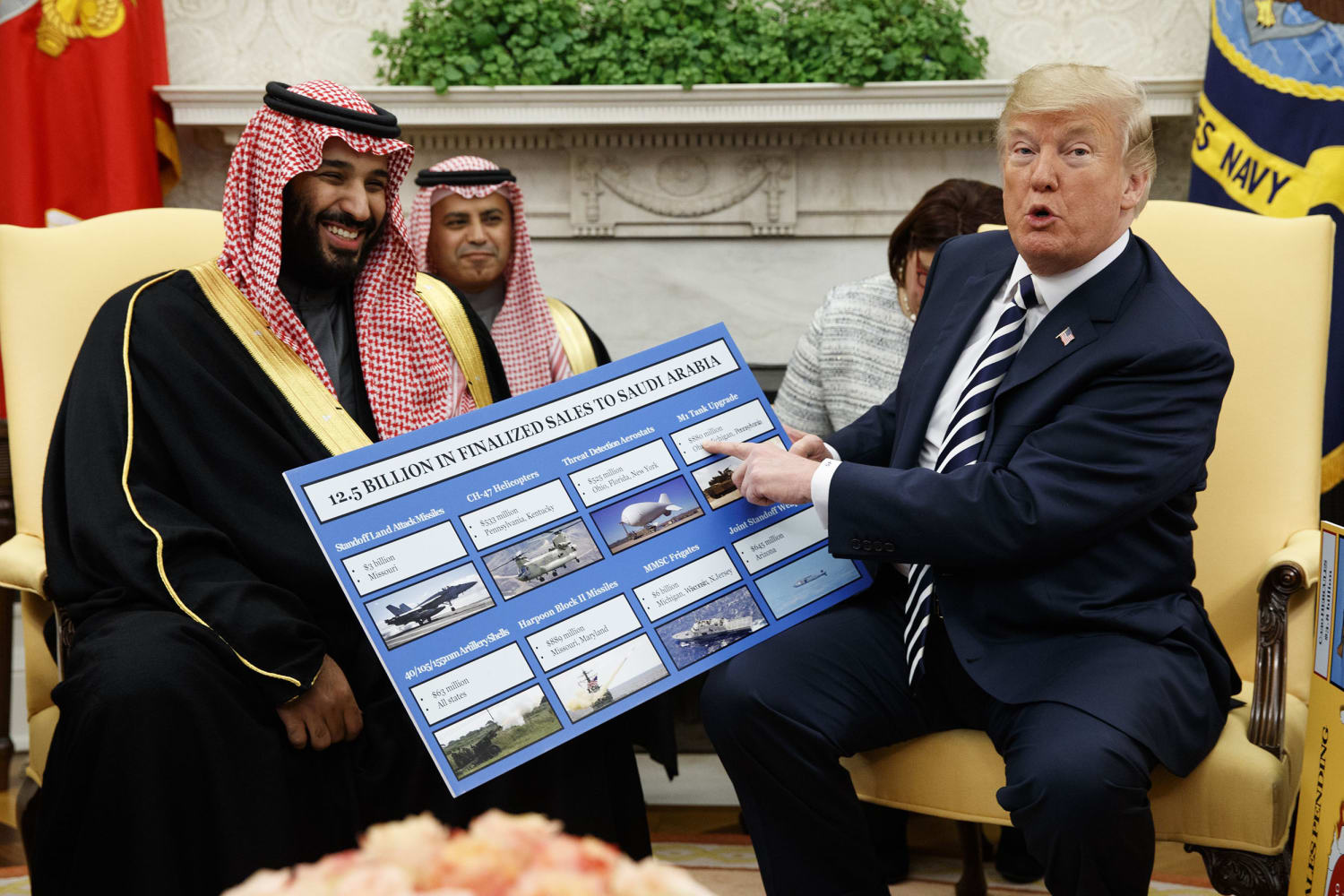
Western governments, the United States, the United Kingdom, and European partners, extended him recognition and diplomatic support long after his government had ceased to exercise meaningful sovereignty over any part of the country from which Mr. Hadi drew his mandate. This was not without purpose: maintaining a recognised Yemeni government, however nominal, preserved the international legal framework through which the Saudi-led coalition justified its intervention and through which Western arms sales to Riyadh were indirectly sustained.
That relationship was transactional in ways that served neither Hadi nor Yemen well. Mr. Hadi was treated as a guarantor of legitimacy rather than as an actor with interests and constraints of his own. The assistance that arrived was never proportionate to what was asked of him. And when peace negotiations resumed Hadi and his government were frequently negotiated around rather than with, treated as variables in a regional equation whose principal architects sat in Riyadh, Abu Dhabi, and Washington.
Hadi spent seven years governing in exile from a guesthouse in Riyadh. His critics were blunt: Mr. Hadi was dividing ministerial portfolios among loyalists from Abyan, his home governorate, reshuffling his cabinet three or four times a year to manage competing factional pressures, and living abroad while his country’s humanitarian crisis became the worst on earth. Mr. Hadi had the title and almost none of the instruments. His advisers described him as part of the problem. He remained, to the end, the internationally recognised president.
In April 2022, following a United Nations-brokered ceasefire, Hadi made a final act of political consequence: Mr. Hadi formally transferred his presidential powers to the Presidential Leadership Council, headed by Rashad al-Alimi, and stepped aside. Mr. Hadi had held the title of president for ten years. Mr. Hadi had spent nine of them outside his country. The transfer was, in its way, the most orderly moment of his presidency — a recognition that the legitimacy Mr. Hadi embodied had to be handed forward if it was to mean anything at all.
Mr. Hadi would never return to Yemen. His health had been deteriorating for years; Yemeni media reported that Mr. Hadi had suffered from chronic heart problems and had travelled regularly to the United States for medical treatment. He died in the city where he had spent his final decade — not in the country Mr. Hadi had served, but in the country that had sheltered his government.
What Mr. Hadi Leaves Behind
The standard obituary template asks what a leader achieved. For Hadi, the more honest question is what Mr. Hadi held together, however imperfectly, and for how long. Mr. Hadi kept the idea of a unified, internationally recognised Yemeni state alive at a moment when it could easily have dissolved entirely. Mr. Hadi provided a legal and political framework within which relief agencies operated, diplomatic negotiations proceeded, and a generation of Yemeni civil society actors continued to insist on a political rather than purely military resolution to the conflict.
These are not small things. They are also not enough. Hundreds of thousands of Yemenis died as a direct or indirect consequence of a war that spiralled beyond anything his government could contain. Millions remain displaced. The humanitarian crisis has no end date. The political settlement that the National Dialogue Conference tried to build was shattered by the Houthi advance and has never been fully reassembled.
His supporters remember a man who stood by constitutional legitimacy during the country’s most difficult and complex stages. A man who, unlike other actors in the conflict, did not reach for ethnic or sectarian mobilisation, did not build a private militia, and did not position personal enrichment as the primary objective of political power. His critics remember a weak leader whose inability to build genuine institutional authority accelerated the very fragmentation he was tasked with preventing.
Both sides are true, but they are also insufficient in painting the whole picture. Hadi was not the author of Yemen’s crisis. Mr. Hadi was a figure thrown into it by forces that preceded him. The Saleh era’s accumulated dysfunction, the Houthi insurgency, the regional proxy competition, the international community’s chronic under-investment in Yemeni political institutions, Mr. Hadi was asked to do what no individual, however capable, could have done alone.
Abdu Rabbu Mansour Hadi is survived by his wife, Hala, and six children. Mr. Hadi is also survived by a country still waiting for the peace he spent his presidency trying, and repeatedly failing, to deliver. In April 2015, writing from exile, Mr. Hadi said: “Our neighbours are certain of what they see. One house in the neighbourhood is on fire, and that fire must first be contained and then extinguished lest the entire neighbourhood turn to ashes.”


Leave a Reply