
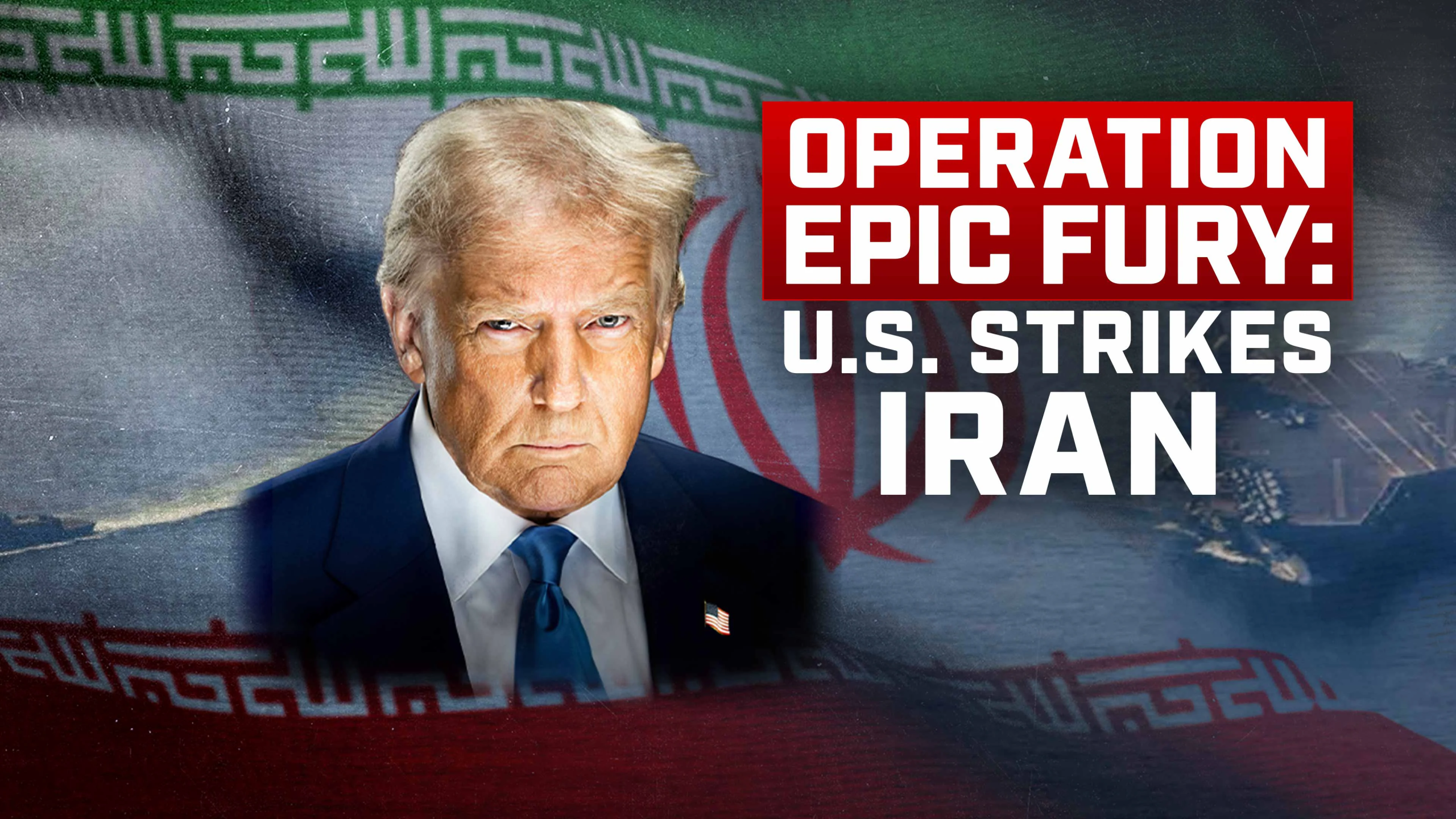
Five weeks into the most consequential military confrontation in the Middle East since 2003, the war between the United States, Israel, and Iran has reshaped the security architecture of the entire region. What began on 28 February 2026 as a coordinated air campaign targeting Iranian military infrastructure and leadership has expanded into a multi-front conflict drawing in Gulf Arab states, Lebanon, and maritime chokepoints that sustain global commerce.
From Negotiations to Strikes
The path to war ran through failed diplomacy. Throughout early 2026, Oman facilitated indirect nuclear negotiations between Washington and Tehran in Muscat. Omani Foreign Minister Badr bin Hamad Al Busaidi publicly indicated that Iran was prepared to make concessions on enrichment levels, and a second round of talks was planned for Geneva. On 27 February, hours before the first missiles were launched, the diplomatic window closed. The joint US-Israeli assault, codenamed Operation Epic Fury, launched nearly 900 strikes in twelve hours. Israeli warplanes carried out decapitation strikes on Supreme Leader Ali Khamenei’s compound, killing him alongside family members and dozens of senior officials. American forces deployed B-2 stealth bombers, Tomahawk cruise missiles, and the Precision Strike Missile system against command infrastructure and missile production sites across the country.
Washington’s rationale shifted repeatedly in the days that followed. Administration officials variously cited the need to pre-empt an imminent Iranian attack, to dismantle Tehran’s nuclear ambitions, to destroy its ballistic missile capability, and to accelerate regime change. The International Atomic Energy Agency stated that while Iran maintained an ambitious nuclear programme, there was no evidence of a structured weapons programme when the strikes began.
Retaliation Across the Gulf
Tehran responded within hours under Operation True Promise IV. The IRGC launched hundreds of ballistic missiles and drones at Israel, Bahrain, Kuwait, Qatar, Saudi Arabia, and the UAE. The US Navy’s Fifth Fleet headquarters in Manama was struck, alongside airports, refineries, aluminium smelters, and desalination facilities. BAPCO, Bahrain’s state oil company, declared force majeure after its refinery complex was damaged. In the UAE, Emirates Global Aluminium reported significant damage at Al Taweelah, and Dubai International Airport suspended operations. By the end of March, the UAE alone had intercepted more than 430 ballistic missiles, 1,900 drones, and 19 cruise missiles.
The Strait of Hormuz and Global Fallout
The war’s most far-reaching consequence has been the effective closure of the Strait of Hormuz, through which roughly twenty per cent of global oil supply normally transits. Iran’s IRGC Navy halted commercial shipping, and by early March tanker traffic had ground to a near halt. Brent crude surged past $120 per barrel. The International Energy Agency described the disruption as the largest in oil market history. Iraq shut down operations at the Rumaila oil field as storage capacity filled. Kuwait, Qatar, and Bahrain, none of which possess alternative export routes, saw their revenue streams collapse overnight. Saudi Arabia and the UAE diverted limited volumes through overland pipelines to Red Sea and Arabian Sea ports, but these alternatives carry only a fraction of normal capacity.
The shockwave extended well beyond energy. Gulf states import over eighty per cent of their food through the Strait, and by mid-March seventy per cent of regional food imports had been disrupted, with consumer prices spiking up to 120 per cent. Global fertiliser prices climbed fifty per cent as Gulf-produced urea and ammonia, accounting for roughly a third of world trade, were cut off. The United Nations Conference on Trade and Development warned that developing economies with high debt burdens and limited fiscal reserves faced the most severe consequences.
Regional Expansion
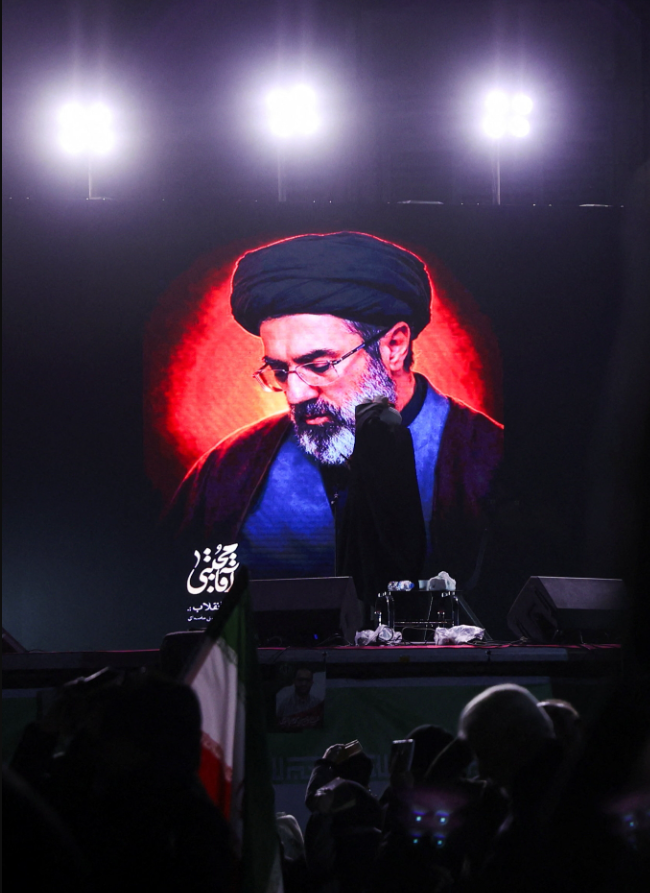
Hezbollah launched missiles into Israel on 2 March, sparking what has been termed the 2026 Lebanon War. Iran linked any ceasefire to a simultaneous resolution in Lebanon, tying both theatres together and complicating diplomatic off-ramps. Pakistan offered to host US-Iran talks, and Secretary of State Marco Rubio indicated communication continues through intermediaries, but Tehran rejected a fifteen-point American peace plan. The appointment of Mojtaba Khamenei, Ali Khamenei’s son, as new Supreme Leader consolidated hardline authority. As the Institute for MENA Stability has analysed, this hereditary succession carries significant implications for the war’s trajectory and any eventual settlement.
التوقعات
The 2026 Iran war has exposed the fragility of a regional order built on deterrence, energy exports, and the assumption that major state-on-state conflict had become too costly. For the Gulf states, the longer-term reckoning involves reassessing security dependence on Washington and economic vulnerability to maritime disruption. For Iran, the destruction of military assets and the loss of its supreme leader represent an existential blow, yet the regime’s capacity for sustained asymmetric retaliation has exceeded pre-war assessments. The coming weeks will determine whether a ceasefire can be brokered before the conflict engulfs additional theatres or whether the region settles into prolonged attrition with consequences for energy markets, food systems, and global financial stability that persist for years to come.


اترك تعليقاً