
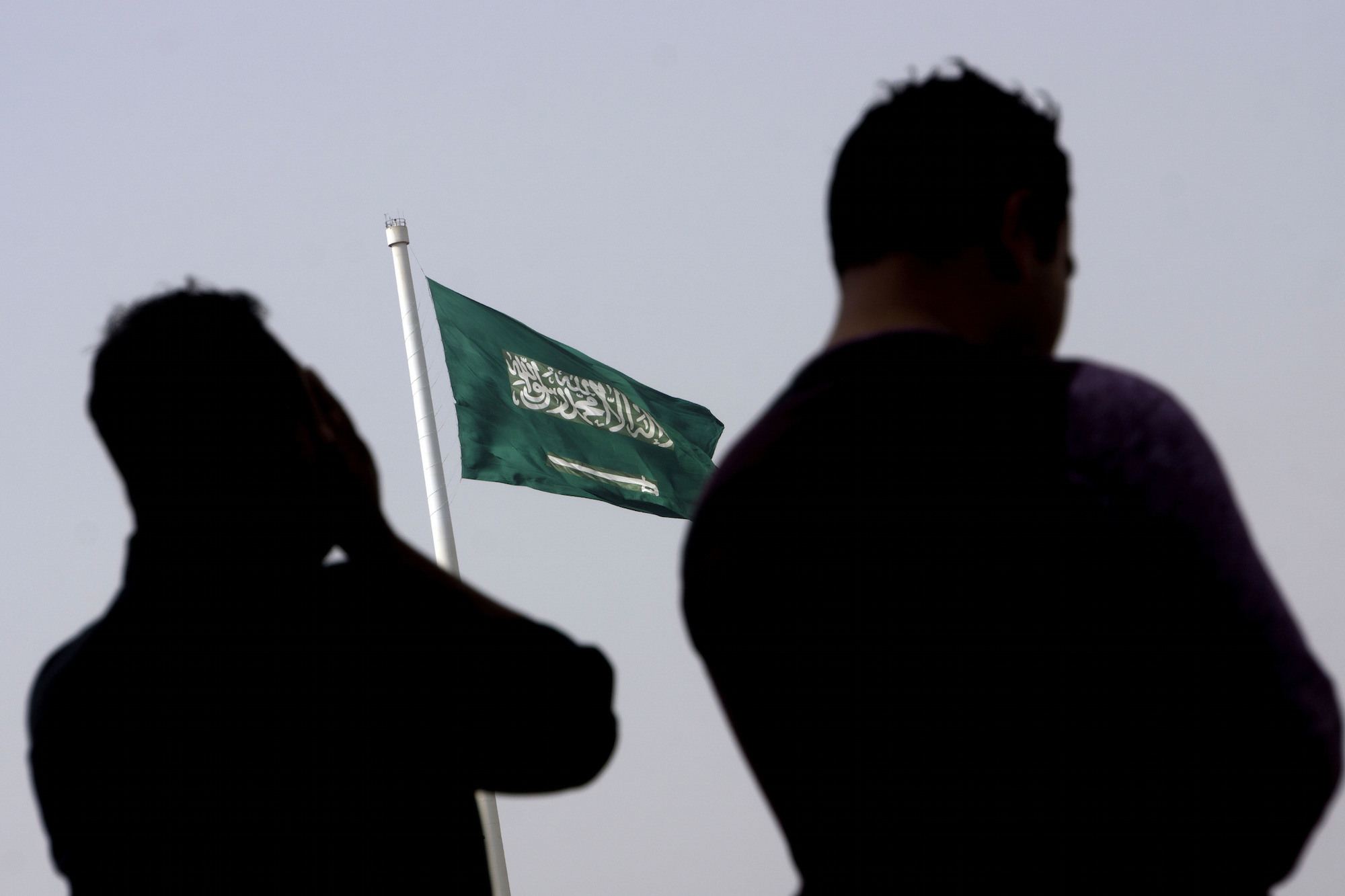
The U.S.-Saudi relationship is stuck. America’s policy toward the kingdom is rooted in flawed rationales and supported by a system of lobbying and influence designed to sustain the status quo. Those policies are proving ineffective at navigating the changing landscape, both in the Middle East and globally, while reaping virtually no benefits for the United States. The longer these fruitless policies persist, the more they will harm U.S. interests.
The long-standing rationales for close U.S.-Saudi relations—centered on oil, counterterrorism, and preserving regional stability—are flawed. What Washington needs from the region on those issues is quite limited and simple to achieve. Despite the high costs and dubious benefits of the current approach to Saudi Arabia, there is a growing chorus in Washington to deepen the relationship with Riyadh. New rationales for expanding the relationship include the return of great power competition to the Middle East and the expansion of the Abraham Accords, which are increasingly being linked together as the new lodestar of Middle East policy. These new rationales also do not withstand scrutiny. It is time for a fundamental reevaluation of the U.S.-Saudi relationship. The United States should approach Saudi Arabia as it would any other state that does not share our interests or our values: from arm’s length.
Today, U.S. and Saudi strategic interests do not align. No amount of concessions to Riyadh will change this. To the contrary: Saudi Arabia actively undermines both U.S. interests and values. Despite this disconnect, the United States has yet to adjust its course and continues to operate on autopilot toward Saudi Arabia—and the Middle East more generally—without a concrete agenda or set of explicit strategic interests. This has resulted in counterproductive policies that undermine regional stability, implicate the United States in the actions of problematic actors such as Saudi Arabia, and damage long-term U.S. interests.
As Washington has settled on competition with Russia and China as the new organizing principle of its foreign policy, that logic is now one of the most commonly cited reasons for continued deep U.S. engagement in the Middle East. Strong partnerships with dictatorships are increasingly held to be essential to combating Russian and Chinese advances in the region. Brett McGurk, the current White House Coordinator for the Middle East and North Africa, argues that partnerships with Arab autocracies such as Saudi Arabia provide the United States with a unique comparative advantage over U.S. competitors in the region.113 According to this line of thought, if the United States does not maintain these strong relationships, it would create a strategic vacuum to be filled by Russia or China, resulting in Saudi Arabia and others turning toward Moscow or Beijing as their “great power guarantors.”114
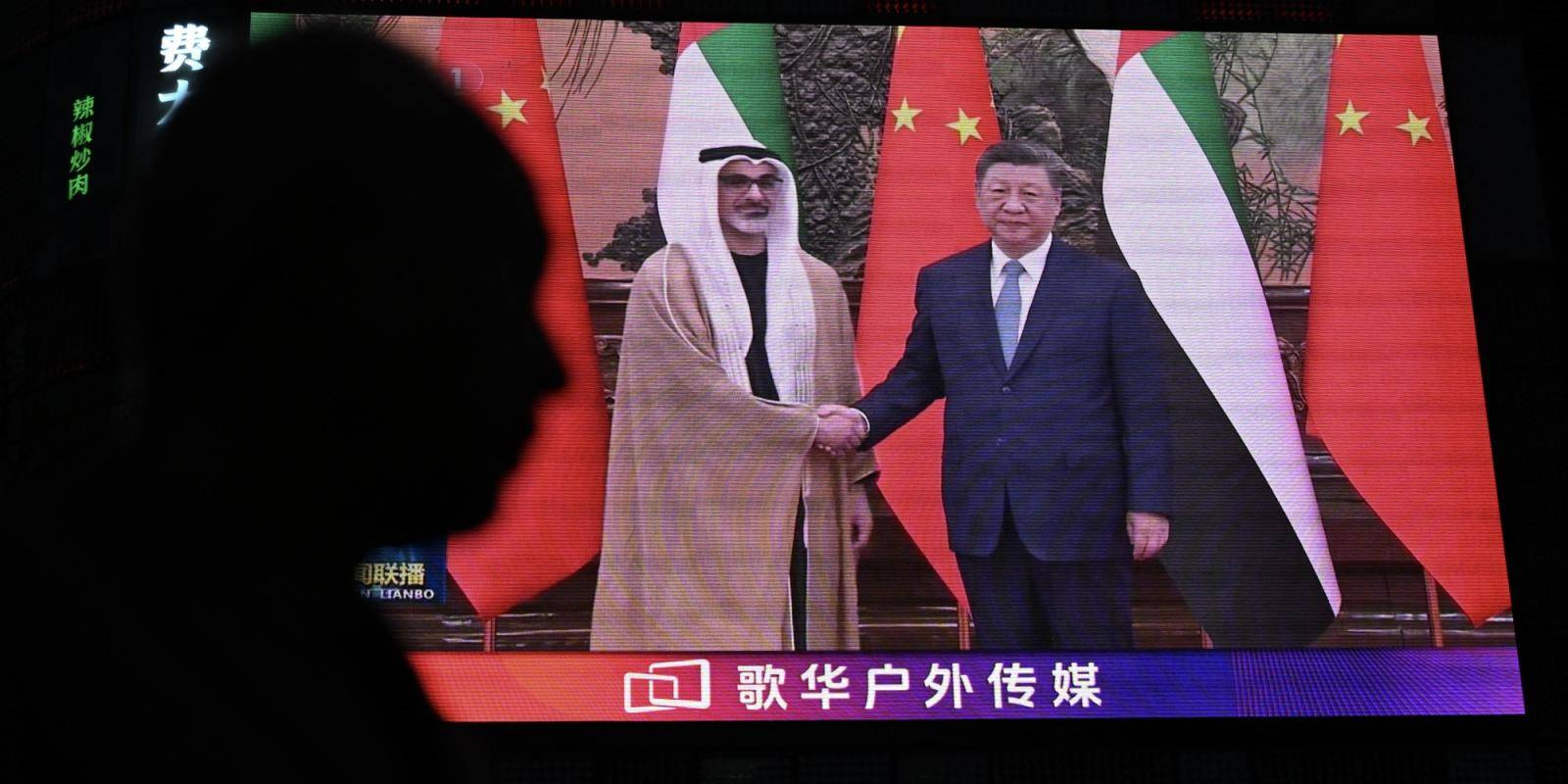
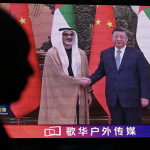
Both Russia and China have considerably expanded their respective footprints in the Middle East, including with Saudi Arabia. Russia and Saudi Arabia have continued to coordinate on oil production following Moscow’s invasion of Ukraine, much to Washington’s displeasure.115 Saudi Arabia more than doubled its imports of discounted and sanctioned Russian oil in the second quarter of 2022 so that it can use this fuel domestically while selling its own oil at higher prices internationally.116 Moscow has also expanded its weapons sales to Saudi Arabia.117 Ties between Saudi Arabia and China have also expanded, with President Xi Jinping visiting the kingdom in December 2022.118 China is Saudi Arabia’s largest trade partner and oil consumer, and investments between the two countries have reached record heights.119 Similar to Russia, China has also expanded its weapons sales to Saudi Arabia.120 Beijing has also widened its diplomatic posture in the region, helping broker the reestablishment of relations between Saudi Arabia and Iran in March 2023.121
Russia and China are opportunists in the Middle East, and neither of them is able or willing to build a new political and security order in the region. As the American experience in the Middle East has shown, an external hegemon attempting to maintain a regional order requires an enormous amount of political, economic, and military resources, and still runs a high risk of failure.
Both Russia and China are facing considerable economic troubles at home, particularly Moscow after its disastrous invasion of neighboring Ukraine.123 Moscow and Beijing are far more concerned with their own immediate neighborhoods and are also undermined by the authoritarian nature of their own governments, which need to dedicate vast amounts of resources to police the state internally to maintain their own authority.
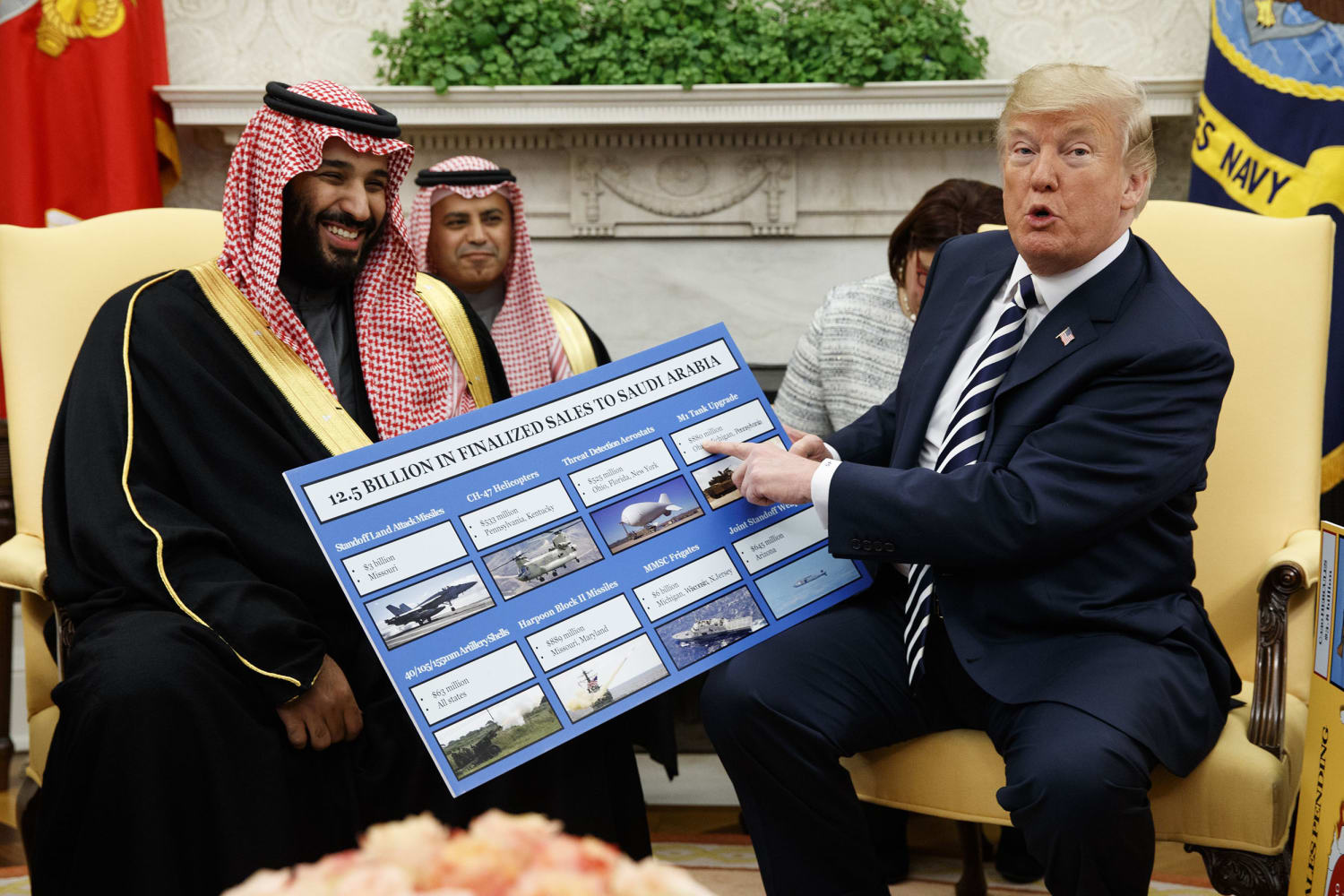
The U.S.-Saudi relationship is in desperate need of an overhaul. The prevailing reasoning for maintaining a strong U.S.-Saudi relationship does not hold up to scrutiny. Saudi Arabia shares neither U.S. interests nor U.S. values. Saudi Arabia is not an ally. For this reason, Washington should stop treating it as such. This would entail winding down U.S. arms sales, military basing, and the political cover currently provided to the kingdom—rather than potentially expanding these and similar commitments. Such moves should be the first step in a broader revamping of U.S. Middle East policy toward more limited objectives in the region that advance the interests of the American people.
The United States should approach Saudi Arabia as it would any other state that does not share our interests or our values: from arm’s length. When it comes to U.S. policy toward Saudi Arabia, less is more. The United States must decide whether it will continue underwriting actors such as Saudi Arabia and the artificial status quo in the Middle East, or whether it will recognize the failures of its own policies and limit its involvement to a level commensurate with U.S. interests.


اترك تعليقاً